Introduction
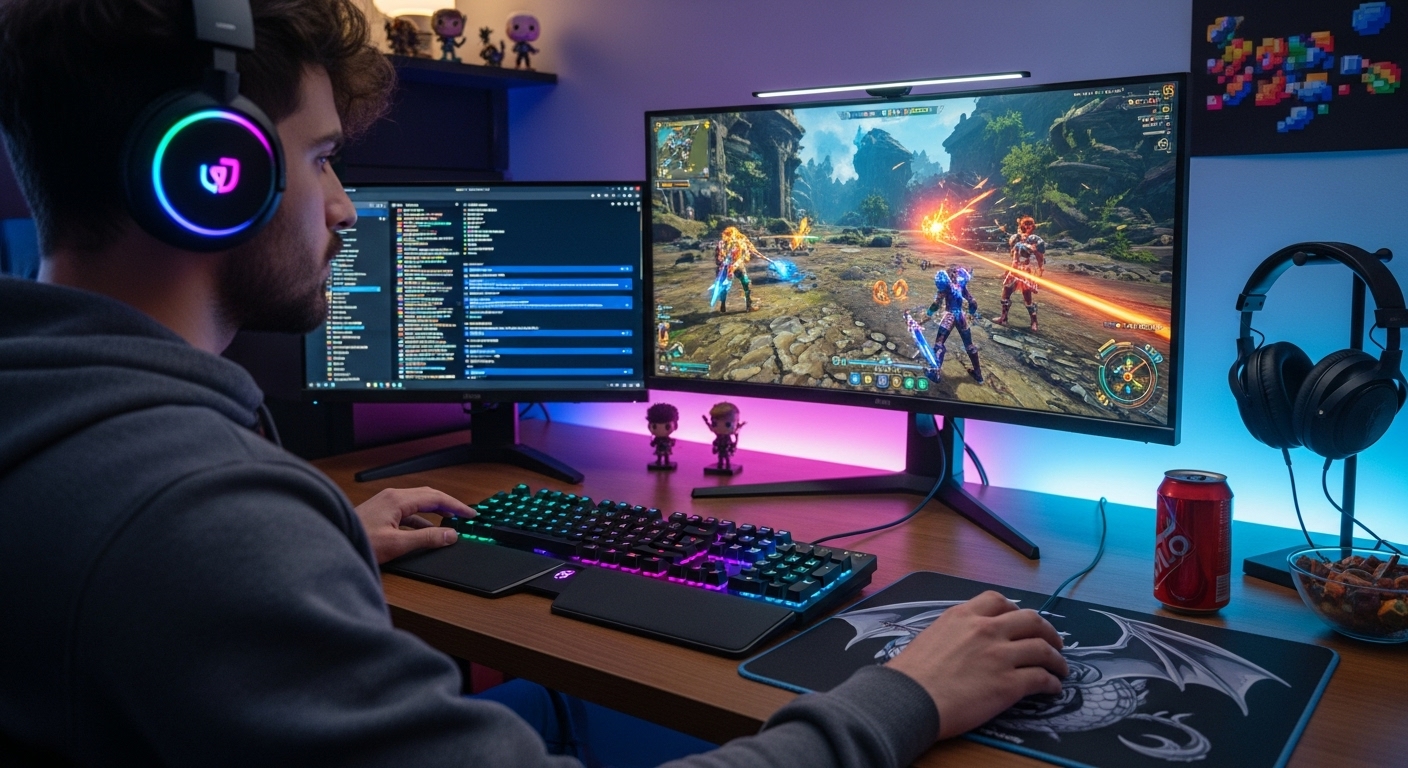
Gaming has transformed from a niche hobby into a global cultural phenomenon, shaping entertainment, technology, and social interaction in unprecedented ways. From the early days of pixelated consoles to the immersive, lifelike experiences of today, video games have evolved far beyond simple pastimes. They now serve as storytelling platforms, social networks, competitive arenas, and even tools for education and mental wellness. In this blog, we explore the evolution of gaming, its cultural impact, the innovations driving its growth, and why it has become one of the most influential forms of entertainment in the modern world.
The Origins of Gaming: From Pixels to Playgrounds
Gaming began as a modest experiment in technology and imagination. The earliest arcade games and home consoles offered simple graphics and straightforward gameplay, yet they captivated audiences worldwide. Titles like Pong and Space Invaders may seem primitive by today’s standards, but they laid the groundwork for an entirely new form of interactive entertainment. The magic of gaming has always been its ability to transport players into virtual worlds where imagination and skill collide. Even in its earliest form, gaming provided a sense of achievement, competition, and fun that transcended age and culture.
As home consoles became more powerful, narrative and graphics evolved. Developers started experimenting with richer storylines, complex characters, and challenging gameplay. Gaming was no longer just about high scores; it became a medium for immersive experiences that could evoke emotion, thrill, and connection.
The Evolution of Gaming Technology
Modern gaming owes much of its growth to technological advancement. The leap from 8-bit graphics to photorealistic 3D environments has made video games visually stunning and emotionally engaging. Processing power, high-definition displays, and faster internet speeds have all contributed to creating worlds that feel tangible and alive.
Virtual reality and augmented reality are pushing boundaries even further. Players can now step into games in ways that were previously unimaginable, experiencing adventures as if they were physically present. Motion sensors, haptic feedback, and AI-driven interactions make gaming more immersive and interactive, appealing to a wider audience and redefining what it means to “play.”
Gaming as a Storytelling Medium
One of the most remarkable aspects of gaming is its storytelling potential. Unlike films or books, video games allow players to influence the narrative through their decisions and actions. This interactive storytelling creates a deeper level of engagement and personal connection. Games like role-playing adventures and open-world explorations provide players with freedom to shape their own journey, creating unique experiences that can be revisited endlessly.
Moreover, gaming narratives are increasingly sophisticated, tackling themes such as morality, identity, and social justice. Developers use storytelling to evoke empathy, challenge perspectives, and provide insight into different cultures and experiences. This makes gaming a powerful medium for both entertainment and reflection.
Multiplayer Worlds and Social Connection
Gaming has always been social, but online multiplayer platforms have turned it into a global phenomenon. Millions of players now connect in shared digital worlds, collaborating or competing in real-time. Games like massive multiplayer online role-playing games, battle royales, and cooperative adventures create virtual communities where friendships are forged and teamwork is essential.
Social interaction in gaming extends beyond the screen. Players communicate through voice chats, forums, and streaming platforms, forming communities that transcend geography. For many, gaming serves as a social lifeline, offering a sense of belonging and shared experience in an increasingly digital world.
E-sports: The Rise of Competitive Gaming
Competitive gaming, or e-sports, has elevated gaming from hobby to profession. Professional gamers compete in tournaments watched by millions, earning sponsorships, salaries, and global recognition. E-sports stadiums now rival traditional sports arenas in size and production quality, demonstrating the massive appeal of competitive gaming.
E-sports has also fostered a new industry around coaching, analytics, broadcasting, and content creation. The rise of professional gaming has legitimized the medium, inspiring young players to pursue careers in a field that blends skill, strategy, and entertainment.
Mobile Gaming and Accessibility
The proliferation of smartphones has made gaming more accessible than ever. Mobile games offer quick, convenient entertainment for millions, allowing players to engage in their favorite pastime anytime and anywhere. Casual games attract diverse audiences, including those who may not identify as traditional gamers.
Mobile platforms have also introduced innovative monetization models, from in-app purchases to ad-supported gameplay. These models have transformed how developers create and distribute games, allowing for continuous updates, seasonal events, and evolving gameplay experiences that keep players engaged.
The Role of Music and Sound in Gaming
Sound design and music are critical to the gaming experience. Immersive audio enhances storytelling, signals player actions, and heightens emotional impact. From epic orchestral scores to subtle ambient sounds, music in games creates atmosphere and depth, making virtual worlds feel alive.
Sound effects also serve practical gameplay functions, such as alerting players to danger or providing feedback on interactions. Audio has become so integral that some games now feature adaptive soundtracks that respond dynamically to player actions, further increasing immersion and engagement.
Gaming as Art and Culture
Gaming has earned recognition as a legitimate form of art and cultural expression. Visual design, narrative complexity, music, and interactivity combine to create experiences that rival traditional artistic mediums. Some games are celebrated for their innovative mechanics, aesthetic beauty, or emotional storytelling, drawing attention from critics, scholars, and museums.
Gaming culture extends beyond gameplay, influencing fashion, language, and community activities. Conventions, fan art, cosplay, and streaming communities reflect the passion and creativity inspired by video games. It is a cultural movement that bridges creativity, technology, and social interaction.
Educational and Therapeutic Applications
Beyond entertainment, gaming has practical applications in education and therapy. Educational games engage students in problem-solving, critical thinking, and creativity, making learning interactive and fun. Simulations allow learners to explore complex subjects such as history, science, and mathematics in engaging ways.
Gaming also has therapeutic potential. Puzzle games, adventure narratives, and collaborative multiplayer experiences can reduce stress, improve cognitive function, and enhance mental well-being. Adaptive games are being used in therapy for individuals with learning differences, physical challenges, or emotional struggles, demonstrating the versatile benefits of interactive play.
Challenges and Criticisms
Despite its many advantages, gaming faces challenges and criticisms. Concerns over addiction, screen time, and violent content continue to spark debate. Developers and parents alike must navigate these issues, promoting responsible play and balance.
Furthermore, issues of representation, diversity, and inclusivity remain important topics within the industry. Progress is being made, but the gaming community continues to grapple with creating spaces that are welcoming, safe, and equitable for all players.
The Future of Gaming
The future of gaming is bright, driven by technological innovation and creative experimentation. Artificial intelligence may create adaptive narratives that respond to each player’s choices uniquely. Virtual reality and augmented reality will continue to blur the line between the physical and digital worlds. Cloud gaming could make high-quality experiences available to anyone with an internet connection, removing barriers to entry and expanding global reach.
Gaming is also likely to become more intertwined with other forms of media. Interactive movies, live events, and cross-platform experiences may redefine how stories are told and experienced. The possibilities are limited only by imagination and technological advancement.
Conclusion
Gaming has evolved far beyond its humble beginnings, becoming a powerful medium that entertains, educates, and connects millions of people worldwide. From immersive narratives and competitive arenas to casual mobile experiences and therapeutic applications, gaming has cemented itself as a cultural force of the 21st century. It is a space where technology meets creativity, where players explore, learn, compete, and connect. As the industry continues to innovate and expand, one thing is certain: gaming will remain a central pillar of modern entertainment, offering experiences that inspire, challenge, and unite players across the globe.