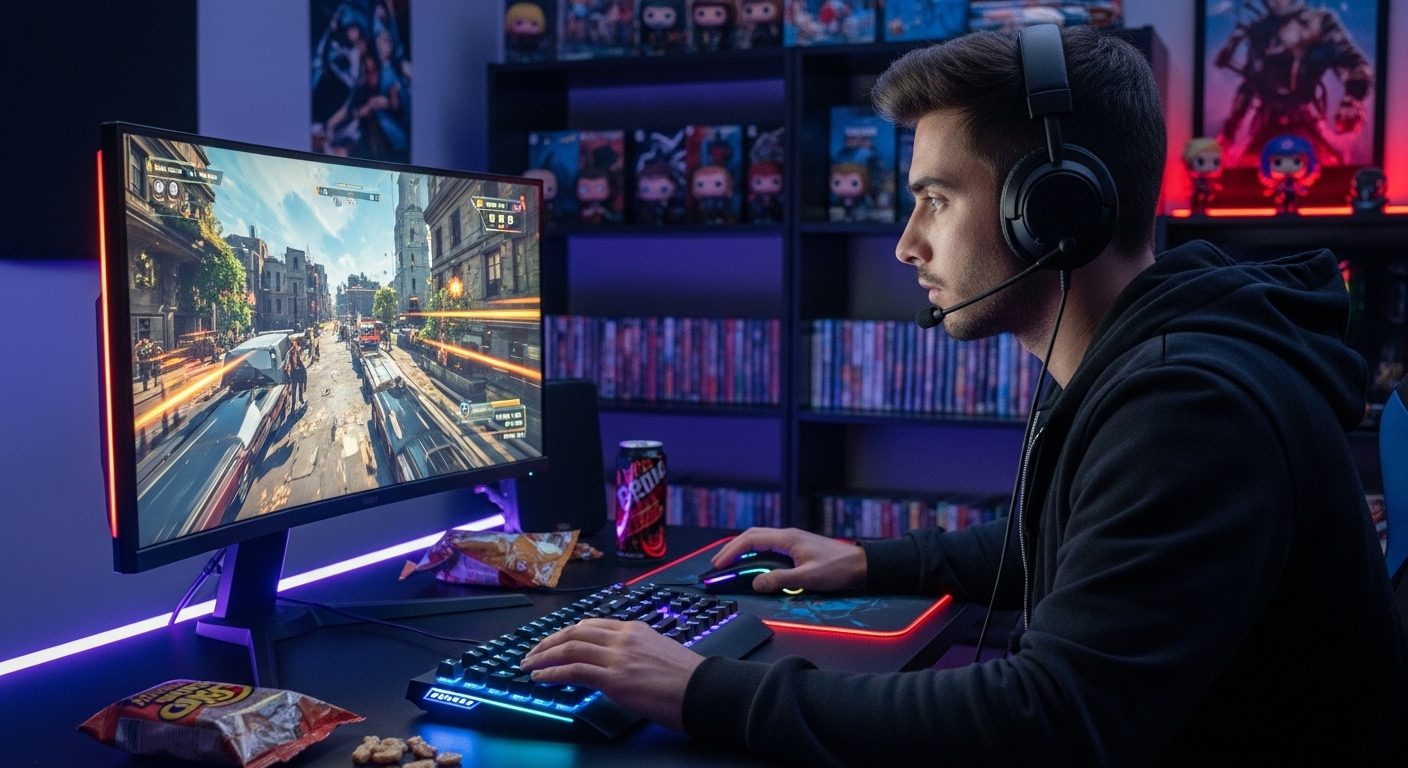
Introduction: The Power of Gaming
Gaming has become one of the most influential forms of entertainment in modern society. What began as simple arcade machines and board games has evolved into a multi-billion-dollar industry that encompasses consoles, PCs, mobile devices, and even virtual reality platforms. Gaming is more than a pastime; it’s a cultural force that bridges generations, inspires creativity, and fosters communities.
From casual mobile players to professional esports athletes, gaming now touches every corner of the globe. This blog post explores the evolution of gaming, its societal impact, technological innovations, and the future of interactive entertainment.
The Origins of Gaming
The history of gaming stretches back thousands of years, beginning with games that were both recreational and educational.
Ancient Games
Ancient civilizations created games to entertain and teach strategy, logic, and social skills. The Egyptian game Senet dates back over 5,000 years and is believed to have had spiritual significance. In Mesopotamia, the Royal Game of Ur challenged players with strategic moves, reflecting early human fascination with planning and decision-making.
Physical games were also popular in ancient times. Wrestling, archery, and ball games tested strength, agility, and coordination. The Greek Olympics, first recorded in 776 BCE, celebrated athletic skill and competition, while Roman gladiatorial contests combined spectacle and social entertainment.
Medieval and Renaissance Games
During the Middle Ages, games became a tool for both social interaction and skill development. Chess and backgammon gained popularity among European elites, while villagers engaged in local sports and team games. Tournaments, jousts, and ball games allowed communities to bond and celebrate cultural traditions.
The Renaissance brought an increased focus on games as both leisure and education. Board games and card games taught strategy and risk assessment, while recreational sports encouraged physical development and social cohesion.
The Birth of Modern Video Games
The 20th century marked a turning point in gaming history. The invention of video games revolutionized interactive entertainment, merging technology, storytelling, and play.
The Arcade Era
Arcade games emerged in the 1970s and 1980s, introducing the public to digital entertainment. Games such as Pong, Space Invaders, and Pac-Man became cultural icons, attracting players to arcades where social interaction and competition flourished. High scores and leaderboards created excitement and encouraged repeated play.
Home Consoles and Early PC Games
The arrival of home consoles brought gaming into living rooms. Nintendo, Sega, and Atari introduced titles that became classics, including Super Mario Bros., The Legend of Zelda, and Sonic the Hedgehog. Meanwhile, personal computers allowed for more complex games, including strategy titles like Civilization and simulation games like SimCity. PC gaming also introduced multiplayer experiences over local networks, paving the way for online connectivity.
The Internet and Multiplayer Gaming
The internet transformed gaming by connecting players worldwide. Online multiplayer games allowed people to compete or collaborate in real time. Titles such as World of Warcraft, Counter-Strike, and League of Legends created vibrant global communities. Multiplayer games encouraged teamwork, strategy, and social interaction, making gaming a shared experience rather than a solitary activity.
The Rise of Mobile and Casual Gaming
The rise of smartphones made gaming accessible to millions who might not own consoles or PCs. Mobile games such as Candy Crush, Clash of Clans, and Pokémon GO demonstrate the appeal of casual gaming, which emphasizes short, engaging experiences suitable for everyday life.
Mobile gaming thrives on convenience and social interaction. Players can challenge friends, join global leaderboards, and participate in cooperative events. The success of mobile gaming illustrates how technology has expanded gaming to new demographics and lifestyles.
Gaming as a Cultural Phenomenon
Gaming is now a central element of modern culture. Beyond entertainment, games reflect societal values, storytelling, and artistic expression.
Storytelling and Creativity
Video games have evolved into complex storytelling mediums. Games like The Last of Us, Red Dead Redemption, and The Witcher series offer rich narratives, character development, and moral choices. Players become active participants in stories, making decisions that shape outcomes and explore themes of heroism, morality, and consequence.
Tabletop and role-playing games, such as Dungeons & Dragons, encourage imagination and collaboration. Players build worlds, create characters, and craft stories together, fostering creativity and social skills.
Social and Community Impact
Gaming creates communities where players share experiences, tips, and strategies. Online forums, multiplayer games, and streaming platforms have cultivated a sense of belonging among enthusiasts. Esports tournaments, gaming conventions, and local meetups strengthen these communities, providing social and professional opportunities for players worldwide.
Esports and Competitive Gaming
Esports has transformed gaming into a spectator sport. Competitive games like League of Legends, Dota 2, and Fortnite attract millions of viewers globally. Professional players earn salaries, sponsorships, and fame comparable to traditional athletes. Esports also drives innovation in streaming, broadcasting, and community engagement, highlighting gaming’s role as a cultural and economic force.
Technological Innovations in Gaming
Technology has been the backbone of gaming’s evolution. Advancements in hardware, software, and connectivity have shaped modern gaming experiences.
Graphics and Immersion
High-definition graphics, realistic physics, and motion capture create immersive worlds. Modern consoles and PCs render detailed environments and lifelike characters, enhancing engagement and emotional connection.
Virtual and Augmented Reality
Virtual reality (VR) and augmented reality (AR) revolutionize interaction. VR immerses players in fully digital worlds, while AR blends game elements with the real environment. These technologies create novel experiences in entertainment, training, and education.
Artificial Intelligence and Dynamic Gameplay
Artificial intelligence enables intelligent non-player characters, adaptive environments, and procedural content generation. Games like Minecraft and No Man’s Sky use AI to create vast, unique worlds for players to explore. AI also personalizes gameplay, adapting difficulty and content to individual player styles.
Cloud Gaming and Accessibility
Cloud gaming allows players to stream high-quality games without expensive hardware. This accessibility opens gaming to a wider audience, from casual mobile users to global communities, making high-end experiences available across devices.
The Social Impact of Gaming
Gaming influences social interaction, education, mental health, and skill development.
Community Building
Multiplayer and online games foster teamwork, collaboration, and friendship. Gaming communities often form around shared interests, creating connections that extend beyond the virtual world. Competitions and tournaments encourage camaraderie and communication.
Learning and Skill Development
Games promote problem-solving, critical thinking, strategic planning, and creativity. Educational games integrate knowledge with interactivity, while simulation and strategy games provide real-world skill applications.
Mental Health and Wellbeing
Moderate gaming can relieve stress, enhance cognitive abilities, and provide a sense of achievement. Social gaming combats isolation, while cooperative and competitive play encourages resilience and persistence.
The Business of Gaming
Gaming has become a multi-billion-dollar industry with diverse revenue streams, including game sales, in-game purchases, subscriptions, esports, merchandise, and advertising. The growth of professional gaming and streaming has created new careers, from competitive players to content creators, commentators, and developers.
Mobile gaming, free-to-play models, and microtransactions have expanded the market, making gaming accessible while generating significant revenue. The industry’s economic impact continues to grow, influencing technology, media, and entertainment sectors.
The Future of Gaming
The future promises continued innovation and expansion.
Immersive Experiences
VR, AR, and mixed reality will redefine interaction, allowing players to step into virtual worlds and engage with environments in unprecedented ways.
Cross-Platform Gaming
Cross-platform capabilities allow players to interact across devices, increasing community engagement and inclusivity.
Artificial Intelligence and Personalization
AI will drive personalized experiences, dynamic storytelling, and adaptive challenges, enhancing engagement and replayability.
Gamification Beyond Entertainment
Gamification principles will expand into education, fitness, and professional development, using interactive mechanics to motivate engagement, learning, and productivity.
Conclusion: Gaming as a Universal Language
Gaming has grown from ancient pastimes to complex digital experiences that entertain, educate, and connect people worldwide. It fosters creativity, strategic thinking, and social interaction, making it a powerful cultural force.
As technology continues to evolve, gaming will become more immersive, inclusive, and influential. From casual mobile games to professional esports and VR adventures, gaming is more than entertainment—it is a universal language that bridges generations, cultures, and communities. It inspires, challenges, and connects, ensuring its place as one of humanity’s most enduring and transformative forms of play.