Introduction: The New Age of Play
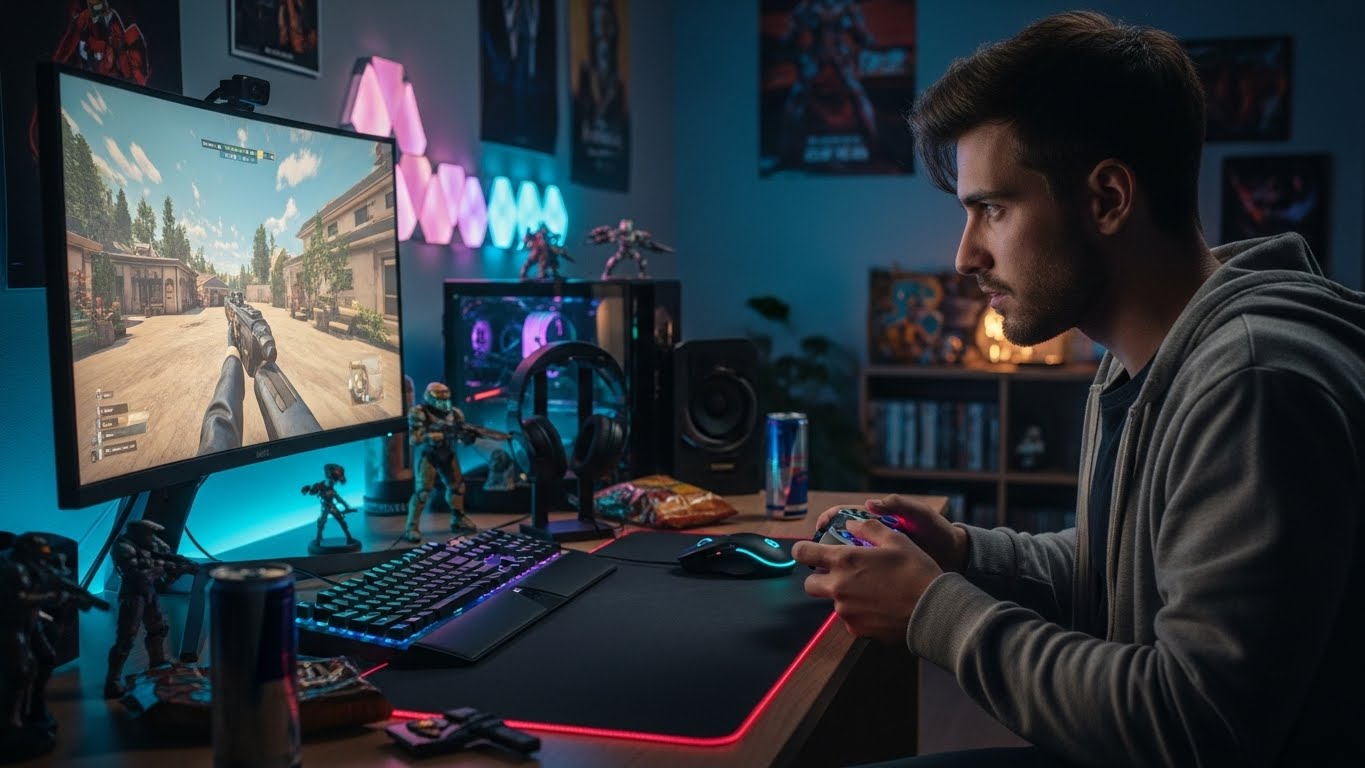
Gaming has evolved far beyond its early days of simple blocky graphics and repetitive sound effects. Today, it stands as one of the most influential industries in the world, shaping entertainment, technology, social connection, culture, and even careers. What was once dismissed as a hobby for children has transformed into an expansive universe filled with competitive esports athletes, immersive story-driven experiences, virtual economies, and global online communities.
In this blog, we will explore how gaming has grown into a powerful cultural force, why people across all ages are embracing it, and how the future of gaming holds almost limitless potential.
The Evolution of Gaming: From Pixels to Cinematic Worlds
The journey of gaming began with simple arcade machines and home consoles that offered straightforward mechanics. Players enjoyed titles that relied on pure skill and reflexes. As technology progressed, gaming evolved from two-dimensional layouts into fully realized three-dimensional environments. Modern games now showcase lifelike graphics, dynamic lighting, realistic physics, and complex animations.
This progress did more than just improve visuals. It opened a creative frontier where developers could craft deep narratives, unforgettable characters, and expansive worlds. Today’s games offer cinematic storytelling on par with movies and television, captivating players with emotional depth, branching storylines, and thematic richness.
Gaming as a Social Experience
One of the most significant transformations in modern gaming is the shift from isolated play to highly social experiences. Online multiplayer titles allow players from every part of the world to interact, cooperate, and compete. Friendships are formed across continents, sometimes lasting for years, even when the players never meet in person.
Voice chat, social hubs, character customization, guilds, and collaborative missions have created a virtual society where players feel genuinely connected. For many, gaming has become a place to unwind, laugh with friends, and share unforgettable moments.
The sense of community is so strong that players often consider their gaming groups as extended families.
Esports: The Rise of Competitive Digital Arenas
Competitive gaming has grown into a massive global phenomenon known as esports. Millions of fans tune in to watch tournaments featuring the world’s best players battling it out in various genres such as strategy, shooters, sports simulations, and battle royales.
These tournaments offer prize pools that rival traditional sports competitions, with professional gamers earning sponsorships, salaries, and global recognition. Esports organizations now operate with structured training schedules, coaching teams, and performance analytics, reflecting how legitimate and influential the industry has become.
For young aspiring players, esports presents opportunities for careers that didn’t exist a decade ago. Whether competing, coaching, streaming, or managing teams, the field is rich with possibilities.
The Emotional Impact of Story-Driven Games
Not every game revolves around competition. Many titles today focus on narrative, using interactive storytelling to create powerful emotional experiences. Through beautifully crafted plots and character development, players can experience themes of friendship, loss, hope, or redemption.
This emotional connection is unique to gaming because unlike movies or books, players actively shape the journey. Their choices influence outcomes, making them feel deeply involved in the story. This level of engagement makes narrative-driven games memorable and often life-changing for those who play them.
Gaming and Mental Health: A Double-Edged Sword
Gaming can provide stress relief, emotional comfort, and cognitive stimulation. For many people, it offers a safe escape from real-world pressures and creates a space where they can express themselves freely. Puzzle games can enhance critical thinking, while action titles sharpen reflexes and focus.
However, like any activity, moderation is key. Excessive play can lead to issues such as disrupted sleep, reduced productivity, or social withdrawal. When gaming becomes the only source of happiness, it may indicate the need to reassess one’s habits.
The positive takeaway is that, when balanced with daily responsibilities, gaming is a healthy and rewarding hobby that nurtures creativity and relaxation.
The Role of Technology: Powering the Next Generation of Games
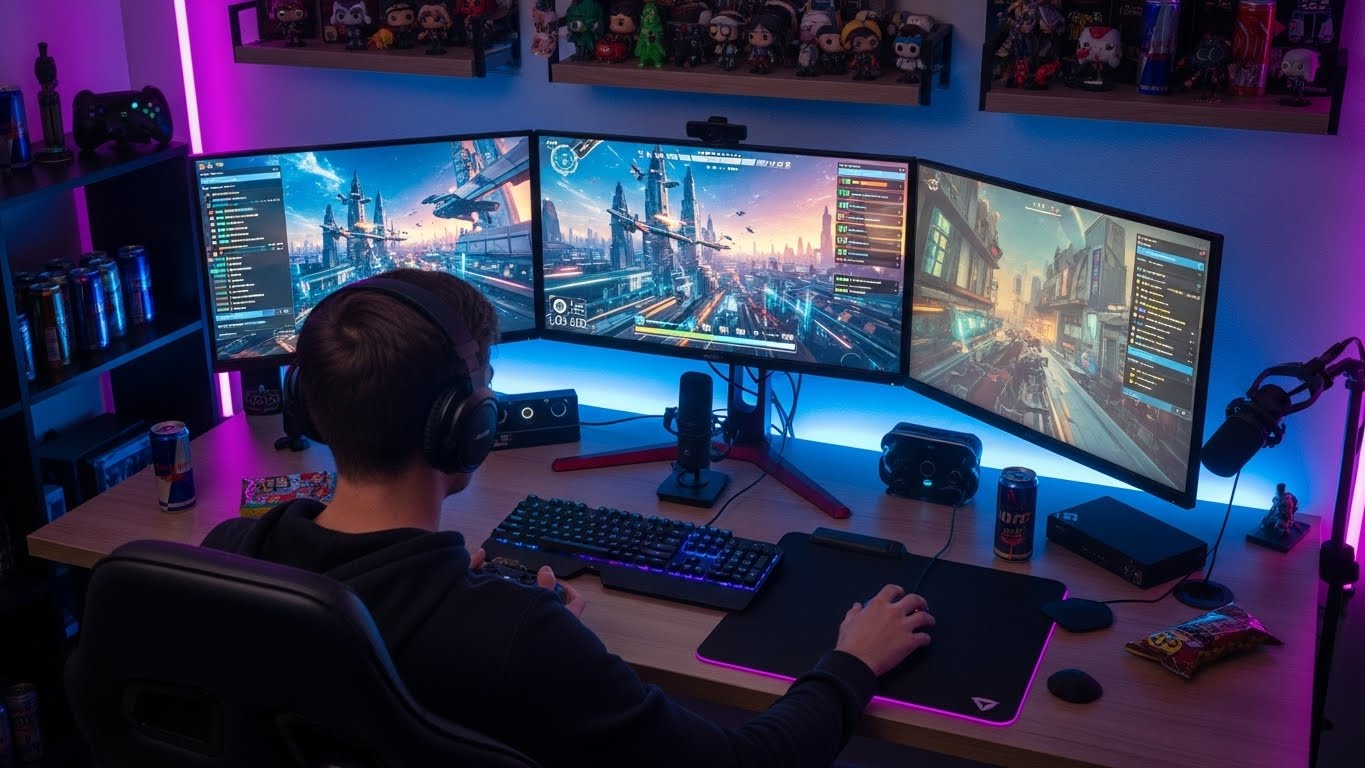
Behind every groundbreaking game lies a combination of powerful hardware and advanced software. Modern consoles, gaming PCs, and mobile devices boast incredible performance capabilities. High-resolution displays, improved cooling systems, graphics processing units, and high-speed storage allow developers to create extraordinary worlds.
Innovations like cloud gaming are expanding accessibility, enabling players to enjoy high-quality experiences without expensive hardware. Artificial intelligence is enhancing enemy behaviors, improving NPC interactions, and making virtual environments more responsive. Meanwhile, procedural generation allows infinite world-building, giving players unique experiences every time they play.
These technological leaps will continue shaping gaming for decades to come.
Virtual Reality and Augmented Reality: Entering the Game World
Virtual Reality (VR) and Augmented Reality (AR) represent the next frontier of gaming. VR transports players into fully immersive worlds where they can physically interact with environments. AR blends digital elements with the real world, creating interactive overlays that enhance everyday experiences.
These technologies offer new ways to explore creativity, fitness, education, and entertainment. From swinging virtual swords to exploring alien landscapes, VR and AR redefine what “play” really means. As headsets become more affordable and user-friendly, their influence in gaming will only grow.
Mobile Gaming: The Power of Play in Your Pocket
Mobile gaming has exploded in popularity, bringing entertainment to millions of people who may not own consoles or gaming PCs. Smartphones and tablets have become powerful platforms capable of running visually impressive and engaging titles.
Casual games offer quick fun, while competitive mobile esports titles attract massive audiences. Mobile gaming has also bridged generational gaps, with people of all ages finding enjoyment in its simplicity and accessibility.
The convenience of playing anywhere makes mobile gaming a cornerstone of modern entertainment.
The Creative Economy Inside Games
Many modern games include virtual worlds with their own economies. Players buy, sell, and trade items, build structures, create artwork, and even design clothing or accessories. These digital marketplaces encourage creativity while providing opportunities for players to earn virtual or real currency.
User-generated content has become a powerful force, allowing players to shape their gaming experiences. Whether designing levels, crafting mods, or building in sandbox environments, creativity has become a major part of gaming culture.
Gaming as a Learning Tool
Games offer more than entertainment. They can teach strategic thinking, teamwork, decision-making, resource management, and problem-solving. Educational games make learning fun, while simulation titles help users understand complex systems such as city planning, business management, or environmental balance.
Even fast-paced action games can improve multitasking and hand-eye coordination. Teachers and parents increasingly recognize gaming’s potential as a learning resource rather than seeing it as a distraction.
The Future of Gaming: Endless Horizons
Gaming’s future is filled with innovation. As technologies like AI, VR, AR, and cloud computing evolve, the boundary between the digital and real world will blur even further. Games may become more personalized, adapting to players’ preferences and emotional states. Collaborative storytelling, endless open worlds, and immersive sensory experiences could redefine entertainment entirely.
The future may also see gaming integrated more deeply into daily life. Fitness, education, work, and social interaction may adopt game-like systems to increase engagement and motivation.
What remains certain is that gaming will continue to grow—not just as entertainment, but as a cultural and technological force.
Conclusion: The Infinite Power of Play
Gaming is no longer just a pastime. It is a global movement that connects people, inspires creativity, encourages learning, and pushes technological boundaries. Whether you’re a casual player seeking relaxation, a competitor climbing the ranks, or a storyteller exploring digital worlds, gaming offers something truly special.
As we look ahead, the world of gaming will only continue to expand, offering richer experiences and shaping the way we interact with technology and each other. With boundless creativity and ever-evolving innovation, gaming is a remarkable journey—and it’s only just beginning.