Introduction: The Evolution of a Digital Playground
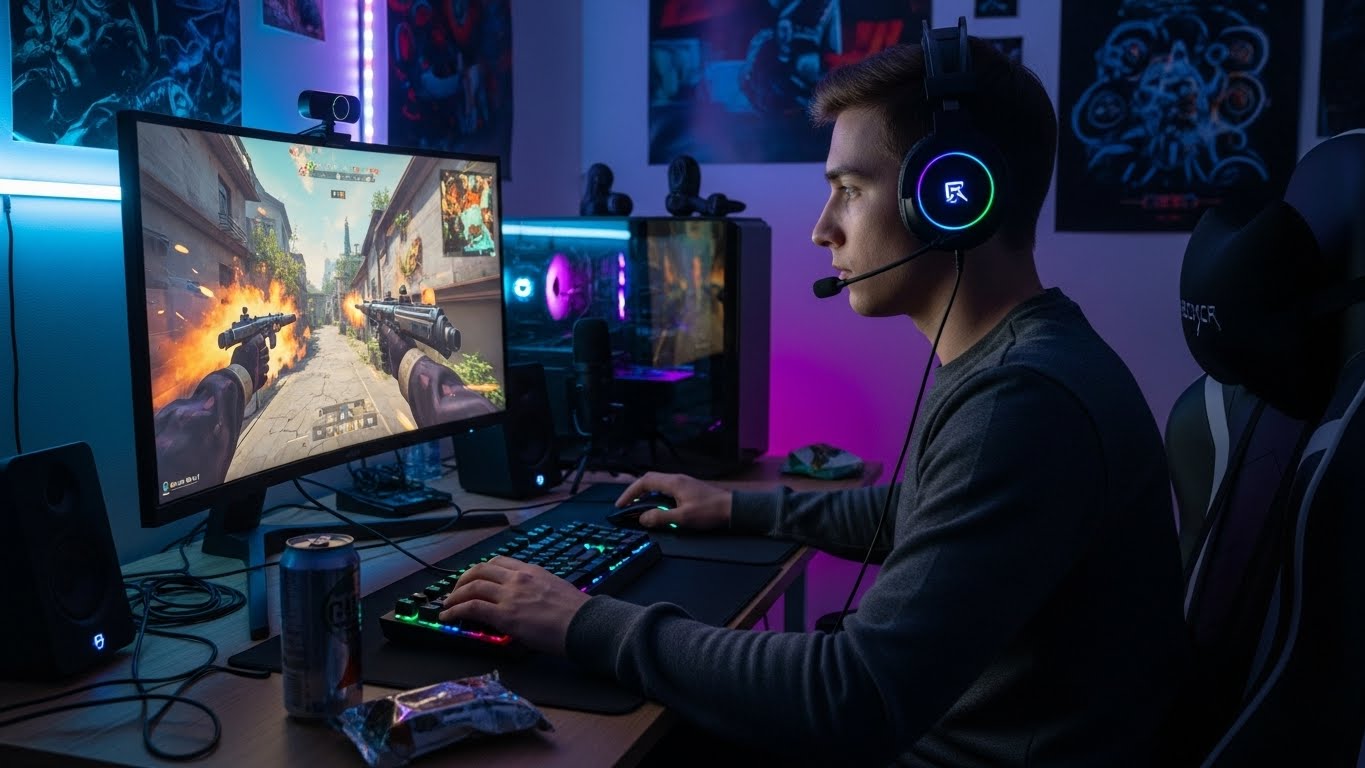
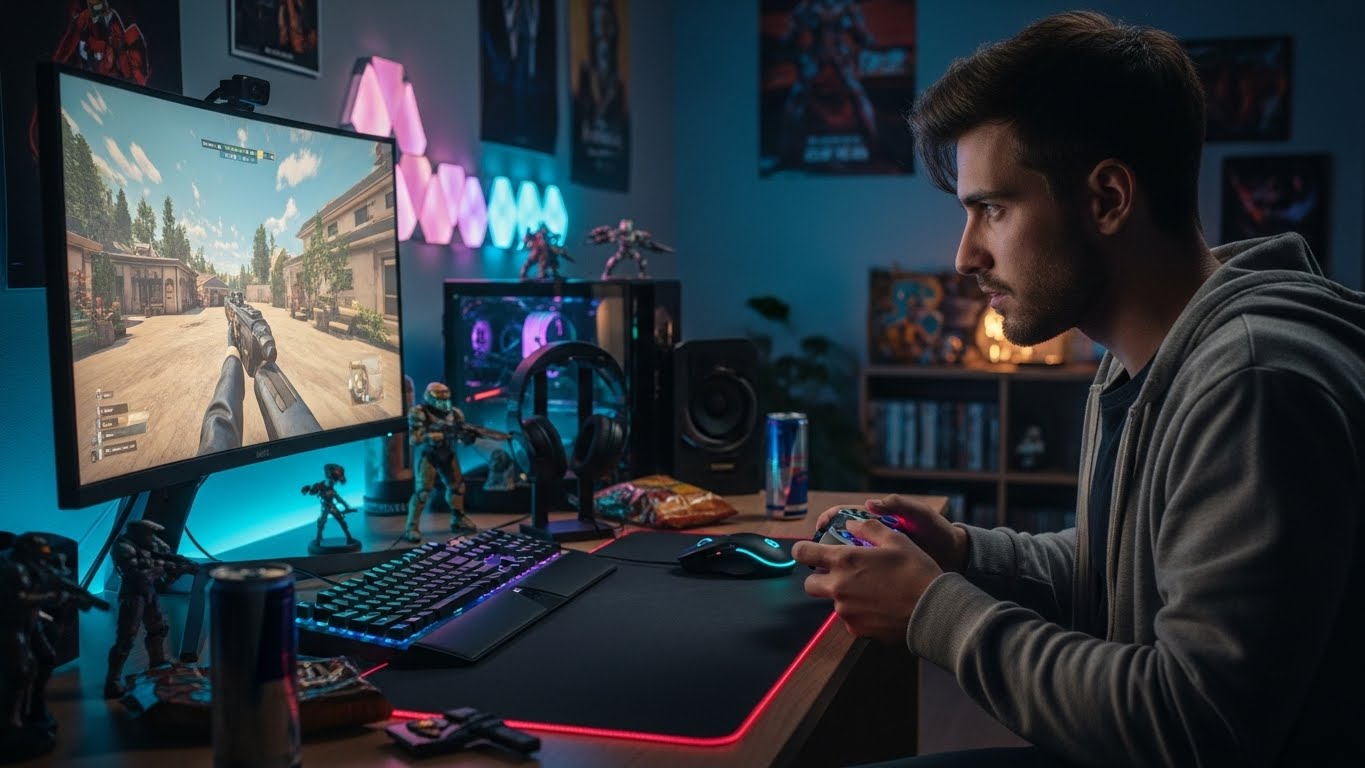
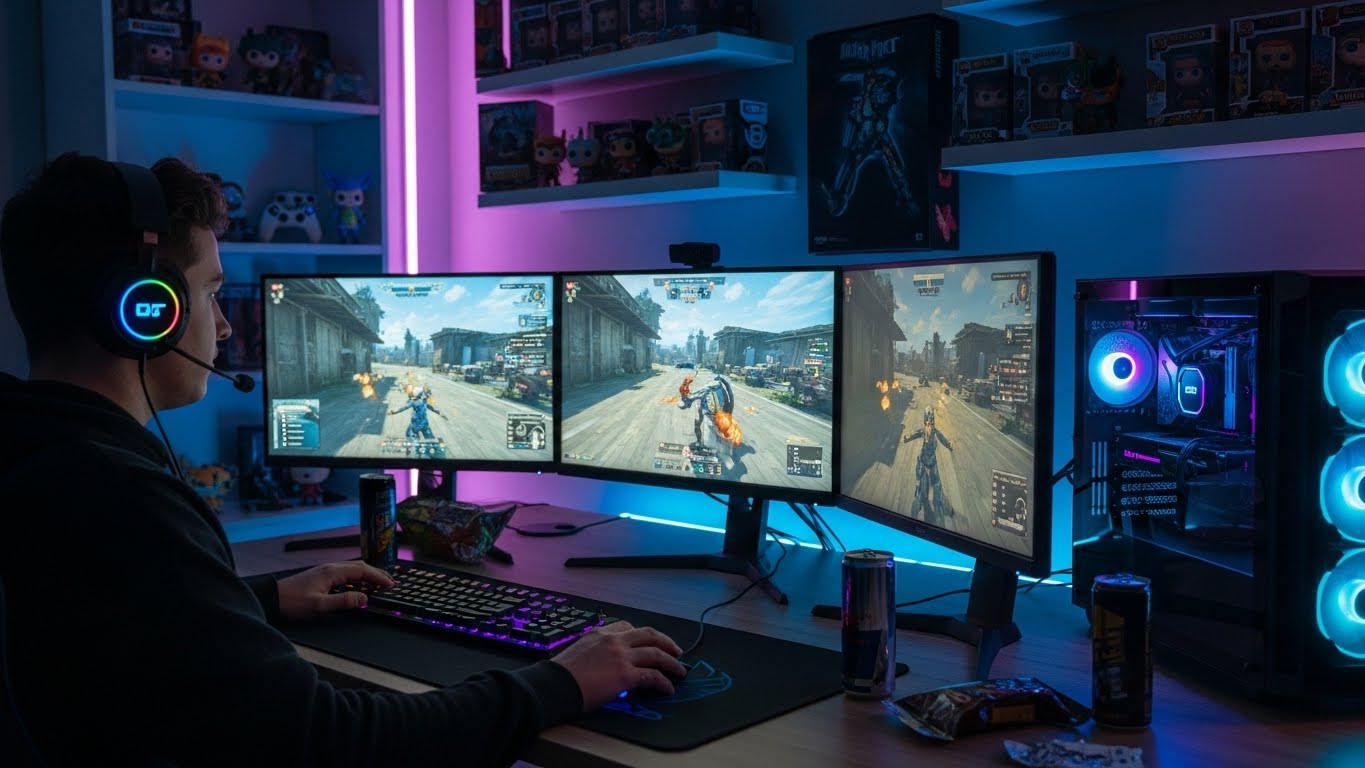
Gaming is no longer a niche hobby tucked away in dimly lit basements or limited to arcade halls buzzing with neon lights. Today, it stands as one of the most influential forms of entertainment across the globe. From competitive esports to open-world adventures, from mobile puzzle games to expansive multiplayer universes, gaming has become a cultural powerhouse. What was once a simple pastime has transformed into a dynamic ecosystem where storytelling, technology, creativity, and community merge. This blog explores how modern gaming reshapes our world, our interactions, and even the way we think.
The Rise of Immersive Worlds
One of the most groundbreaking shifts in gaming is the evolution from pixelated screens to fully immersive digital worlds. Early games offered straightforward mechanics and simple graphics, but today’s titles deliver near-photorealistic environments, cinematic storylines, and deep emotional engagement.
Modern game engines allow creators to design intricate settings that feel alive with dynamic lighting, responsive weather systems, and believable characters. Players no longer observe the story—they step into it. The line separating game and reality blurs when you find yourself navigating ancient ruins, surviving dystopian cities, or soaring across fantastical landscapes. This immersion has made gaming not just entertainment but also a form of experiential storytelling.
Gaming as a Social Experience
Gaming was once imagined as an isolating activity, but the opposite is now true. Modern multiplayer experiences have built thriving online communities where friendships span continents. Voice chat, guild systems, team-based missions, and cooperative worlds encourage collaboration and communication.
These virtual social hubs often provide players with a sense of belonging. Many people meet lifelong friends, teammates, or even romantic partners through games. Instead of merely playing, gamers hang out, discuss strategies, share achievements, and build connections that extend beyond the digital world.
The rise of social gaming also reflects how communication itself has evolved. Emotes, gestures, shared achievements, and even custom avatars help players express identity and emotion in new ways. Gaming has become a unique language spoken across cultures.
Esports: When Passion Becomes Profession
Just as traditional sports showcase physical mastery, esports celebrates mental agility, quick reflexes, and strategic thinking. Competitive gaming has surged over the past decade, bringing players into global arenas filled with cheering fans.
Professional gamers train extensively, often dedicating hours each day to perfecting their craft. Teams analyze strategies, practice coordination, and study opponents much like athletes in any other sport. The rise of professional leagues and tournaments has created new career paths for players, coaches, analysts, commentators, and content creators.
What was once deemed “just playing games” has evolved into a respected industry that demands discipline, teamwork, and creativity. Esports proves that passion combined with skill can lead to remarkable opportunities.
The Power of Storytelling in Games
While earlier games focused primarily on gameplay mechanics, today’s titles emphasize narrative depth. Story-rich games allow players to shape their own journeys, make moral decisions, and engage emotionally with characters.
This interactivity separates gaming from passive forms of media like movies or novels. Players influence outcomes—creating a sense of agency and investment in the story. A well-written game bridges the gap between fiction and empathy, allowing players to experience life through different perspectives.
Whether it is exploring complex themes like loss, identity, or survival, games have grown into powerful storytelling tools that can evoke joy, sorrow, excitement, and reflection.
The Impact of Gaming on Mental Skills
Beyond entertainment, gaming enhances various cognitive abilities. Strategic planning, critical thinking, spatial awareness, and problem-solving skills thrive in challenging gameplay environments.
Puzzle games improve memory and logic. Action games sharpen reflexes and attention. Strategy titles encourage long-term planning and resource management. Simulation games help players understand systems—from city planning to economic models.
Contrary to outdated stereotypes, gaming can serve as a mental workout, strengthening skills that apply to both school and professional settings.
Gaming as a Creative Outlet
Many games today offer tools that allow players to become creators. Level editors, character customization, sandbox building tools, and modding platforms empower players to shape their digital universes.
This creativity extends beyond in-game experiences. Fan art, animations, cosplay, and storytelling communities flourish online. Players celebrate their favorite worlds by expanding them through imagination and artistic expression.
Gaming has become a canvas where anyone—from casual players to professional artists—can explore their creativity without constraints.
The Influence of Streaming and Content Creation
The rise of gaming content creators has transformed how people experience games. Streaming platforms allow players to share live gameplay, reactions, and commentary with global audiences. Creators turn their passion into careers—building communities, entertaining viewers, and forming digital bonds.
Content creators often shape gaming culture through reviews, critiques, and discussions. Their influence encourages developers to engage more closely with their audiences, leading to better transparency and improved game quality.
Mobile Gaming and Accessibility
Gaming is more accessible than ever thanks to mobile devices. Smartphones have brought games into the hands of millions who may never have considered gaming before.
Whether waiting in line, relaxing at home, or passing time during travel, mobile games offer instant entertainment. From simple puzzles to complex strategy titles, mobile gaming caters to all ages and interests.
Accessibility has expanded further with customizable controls, adjustable difficulty levels, and assistive technologies that allow people with disabilities to enjoy gaming more comfortably. The idea that “gaming is for everyone” has never been more true.
The Future: Virtual Reality, AI, and Beyond
As technology continues to advance, the future of gaming looks incredibly promising. Virtual reality offers fully immersive experiences that place players directly inside the world, allowing them to move naturally and interact physically.
Artificial intelligence is making enemies smarter, worlds more responsive, and stories more dynamic. AI-driven NPCs can adapt to player choices, creating individualized experiences unlike anything before.
Cloud gaming is removing hardware barriers, enabling people to play high-quality games on nearly any device. This evolution opens gaming to a global audience, bridging gaps in access and affordability.
The future will feature even more realistic environments, sophisticated storytelling, and deeper layers of interactivity. The possibilities are limitless.
Conclusion: More Than Just a Game
Gaming has grown from a simple pastime into a vibrant, transformative force. It shapes how we play, socialize, learn, and express ourselves. It builds communities, nurtures creativity, and pushes the boundaries of technology.
As modern gaming continues to evolve, it remains a testament to human imagination. Whether you’re embarking on heroic quests, competing in esports, solving intricate puzzles, or simply relaxing with a casual mobile game, the world of gaming welcomes you.
In this ever-expanding digital universe, gaming is more than just entertainment—it is a bridge connecting people, ideas, and experiences across the globe.