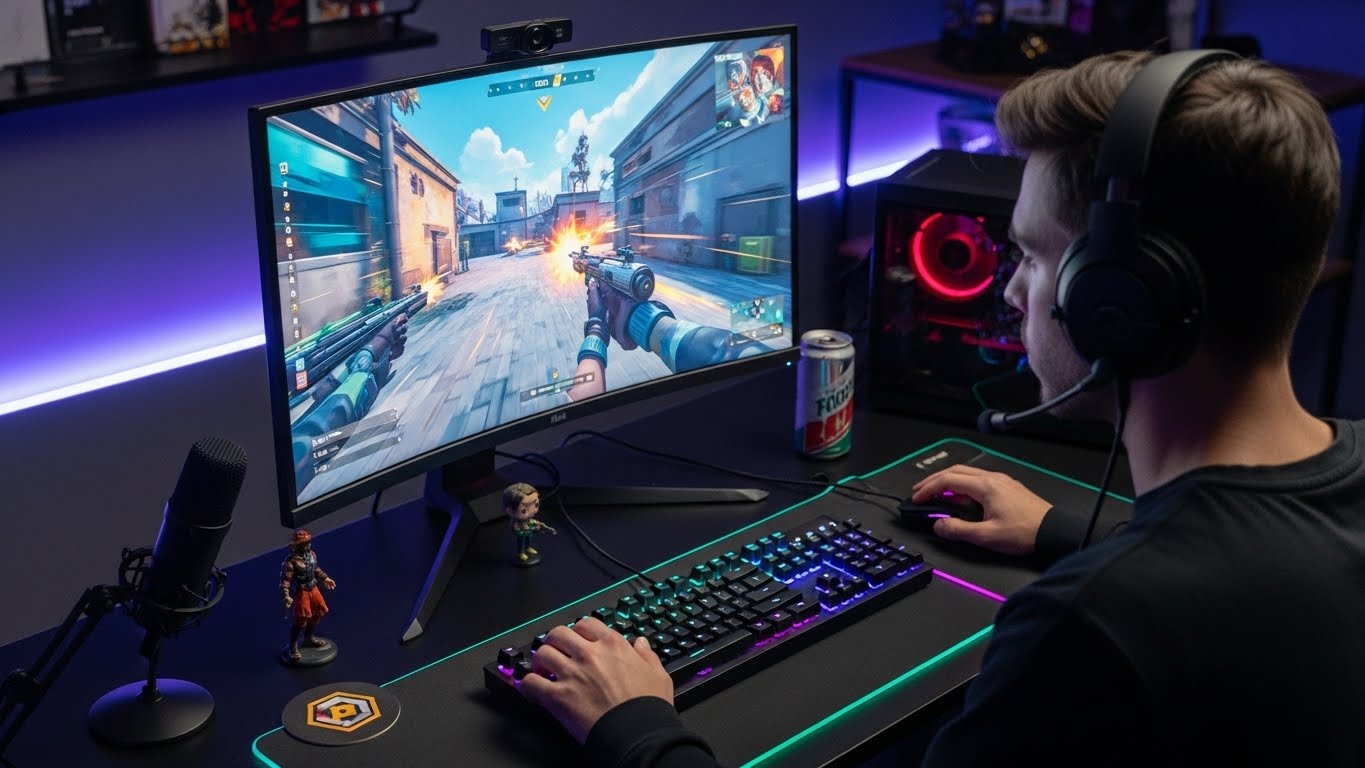
Introduction: The Rise of Gaming
Gaming is no longer just a pastime; it has evolved into a global phenomenon that affects culture, technology, and social interaction. What started as simple pixelated games has grown into vast virtual worlds, competitive arenas, and creative platforms. Today, millions of people engage with games daily—not only for entertainment but for connection, expression, and personal growth. Gaming has transformed from a hobby into a lifestyle, offering immersive experiences that blend storytelling, strategy, and social engagement.
The Evolution of Gaming
The history of gaming showcases the remarkable journey from rudimentary entertainment to a complex industry. Early games like Pong and Space Invaders introduced digital interaction but had limited scope. The rise of home consoles in the 1980s and 1990s made gaming more accessible, while technological improvements allowed for richer graphics, deeper narratives, and sophisticated gameplay. Online gaming transformed the experience by connecting players across the globe, creating communities and competitive platforms. Each technological leap—from high-definition visuals to cloud gaming—has expanded the possibilities of what gaming can offer.
Immersive Storytelling in Games
Modern gaming is defined by its storytelling capabilities. Players are no longer passive consumers; they actively participate in narrative experiences. Games explore themes like identity, morality, and societal challenges, often evoking emotional responses similar to books and films. Role-playing games and adventure titles allow players to make choices that shape outcomes, giving a sense of agency and personal investment. This immersive narrative element has made gaming a legitimate medium for artistic and emotional expression, with stories that resonate long after the game ends.
Technology and the Gaming Experience
Technology drives the evolution of gaming. Graphics engines render detailed worlds, while artificial intelligence creates dynamic environments and intelligent opponents. Physics simulations ensure realistic interactions, making gameplay engaging and believable. Virtual reality and augmented reality bring new levels of immersion, allowing players to step inside game worlds. Cloud gaming breaks hardware limitations, enabling access to high-quality games on various devices. Each innovation enhances the gaming experience, making it more interactive, visually stunning, and widely accessible.
The Social Dimension of Gaming
Gaming has become a social platform, connecting people across cultures and continents. Multiplayer games allow friends and strangers to collaborate, compete, and communicate. Voice chats, messaging systems, and cooperative gameplay foster teamwork and strengthen social bonds. Many players find community and belonging within online gaming spaces, where shared experiences create lasting connections. Special events, live streams, and tournaments provide shared experiences that unite diverse audiences, making gaming a powerful tool for social interaction.
Esports: Competitive Gaming as a Profession
Esports has transformed competitive gaming into a professional career. Millions of players participate in tournaments, and prize pools rival those of traditional sports. Professional esports players dedicate significant time to training, strategy, and teamwork, often with coaches and analysts. This competitive environment demonstrates that gaming requires discipline, skill, and focus similar to any traditional sport. Esports has created new career opportunities and inspired players to pursue professional gaming, highlighting the growing legitimacy of gaming as a respected profession.
Gaming as a Creative Platform
Many games provide players with the freedom to create. From building worlds in sandbox games to designing characters and crafting stories, gaming encourages creativity and innovation. Modding communities allow players to modify games, enhancing content and extending gameplay. These creative opportunities develop problem-solving skills, artistic expression, and technical expertise. Gaming’s potential as a creative outlet also inspires careers in design, programming, and digital art, proving that play and innovation are deeply interconnected.
The Educational Potential of Gaming
Games offer significant educational benefits. Strategy games develop critical thinking and planning, puzzle games improve cognitive skills, and cooperative games enhance teamwork and communication. Educational titles integrate lessons in subjects like science, history, and mathematics, making learning interactive and engaging. By combining challenge, feedback, and motivation, games offer a unique medium for education that encourages active participation, curiosity, and problem-solving.
Psychological Benefits and Challenges
Gaming can provide psychological benefits, such as stress relief, relaxation, and a sense of achievement. Players often experience satisfaction from completing challenges, progressing through levels, and mastering skills. Gaming can also serve as a safe space for self-expression and emotional release. However, balance is crucial, as excessive gaming may lead to social isolation, disrupted routines, or reduced physical activity. Mindful engagement ensures that gaming remains a positive influence on mental and emotional well-being.
Accessibility and Inclusivity
The gaming industry increasingly prioritizes accessibility, ensuring players of all abilities can enjoy games. Features like customizable controls, subtitles, colorblind modes, and adaptive difficulty make gaming inclusive. Accessible design allows a wider range of players to engage with and enjoy games, reflecting the industry’s commitment to equality. By fostering inclusivity, gaming creates experiences that empower everyone, ensuring no one is left behind in the digital world.
Gaming and Cultural Identity
Gaming has become a cultural touchstone, influencing fashion, music, art, and online communities. Iconic characters, memorable storylines, and game aesthetics shape pop culture, inspiring cosplay, fan art, and creative expression. Games also provide a space for exploring identity, allowing players to experiment with roles and perspectives. Through shared gaming experiences, individuals participate in a broader cultural narrative, contributing to a global community that values creativity, expression, and connection.
Digital Economies and Virtual Worlds
Many online games feature virtual economies, where players trade, craft, and sell items with in-game or real-world value. These systems teach resource management, strategic planning, and entrepreneurship. Players can design and sell items, creating unique opportunities for creativity and commerce. Virtual economies reflect how gaming intersects with real-world concepts, providing insights into financial management, negotiation, and innovation in a digital environment.
The Impact of Mobile Gaming
Mobile gaming has expanded access to interactive entertainment. Smartphones allow players to engage with games anytime, anywhere, from casual puzzle games to immersive RPGs. This accessibility introduces gaming to a wider audience, enabling new players to explore digital worlds without the need for expensive consoles or PCs. Mobile games have become a staple of daily life, offering entertainment, social interaction, and mental stimulation on the go.
The Future of Gaming
The future of gaming promises greater immersion, creativity, and social connection. Artificial intelligence will create smarter, more adaptive experiences. Virtual and augmented reality will deepen engagement, while cross-platform integration will unite players across devices. Gaming will continue to influence storytelling, creativity, and social interaction, pushing boundaries in ways we have yet to imagine. The next generation of gaming will be more immersive, inclusive, and innovative, transforming entertainment, education, and culture.
Conclusion: Gaming as a Transformative Medium
Gaming is no longer just a form of entertainment; it is a transformative cultural force. It fosters creativity, enhances social connections, and offers educational and psychological benefits. From competitive esports to mobile experiences, immersive narratives, and virtual worlds, gaming continues to redefine how we play, learn, and connect. As technology and culture evolve, gaming will remain a central part of our digital lives, shaping the way we experience stories, creativity, and community in the modern world.