Introduction
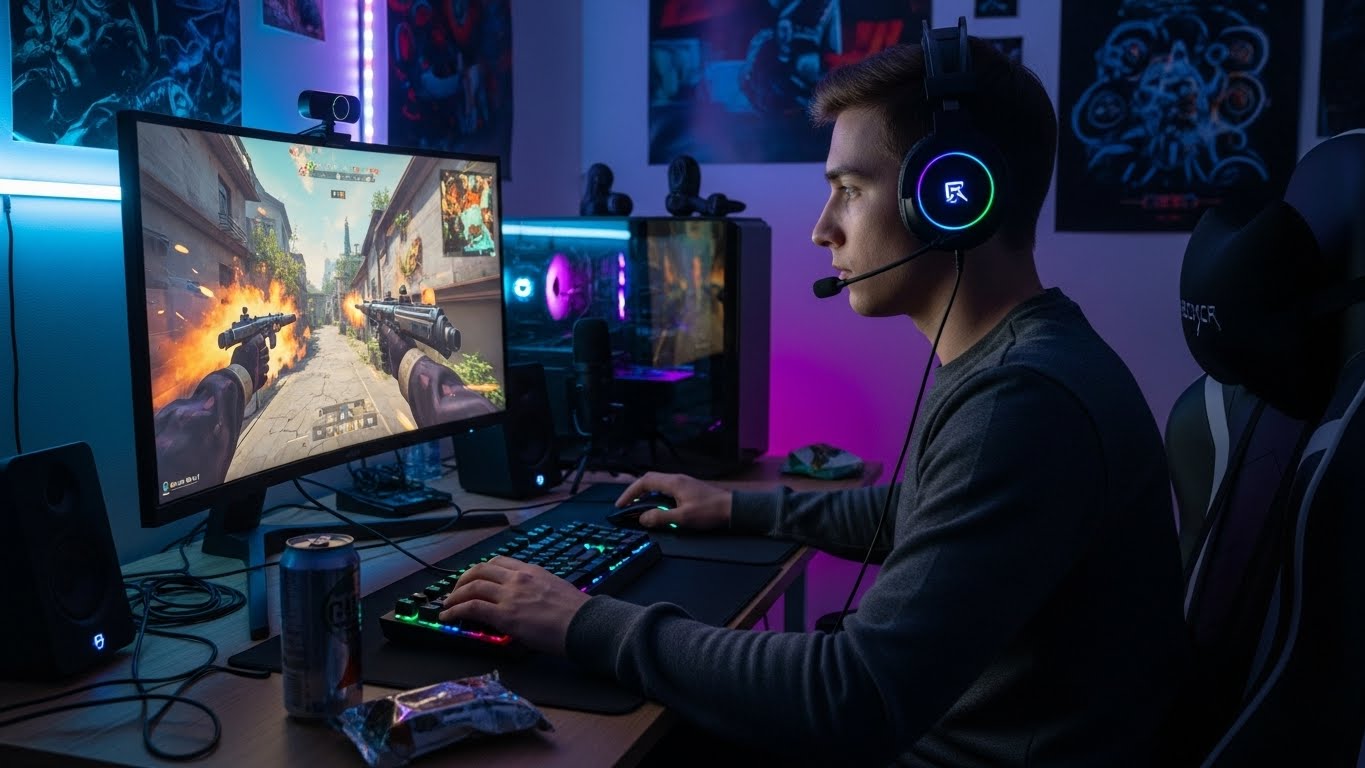
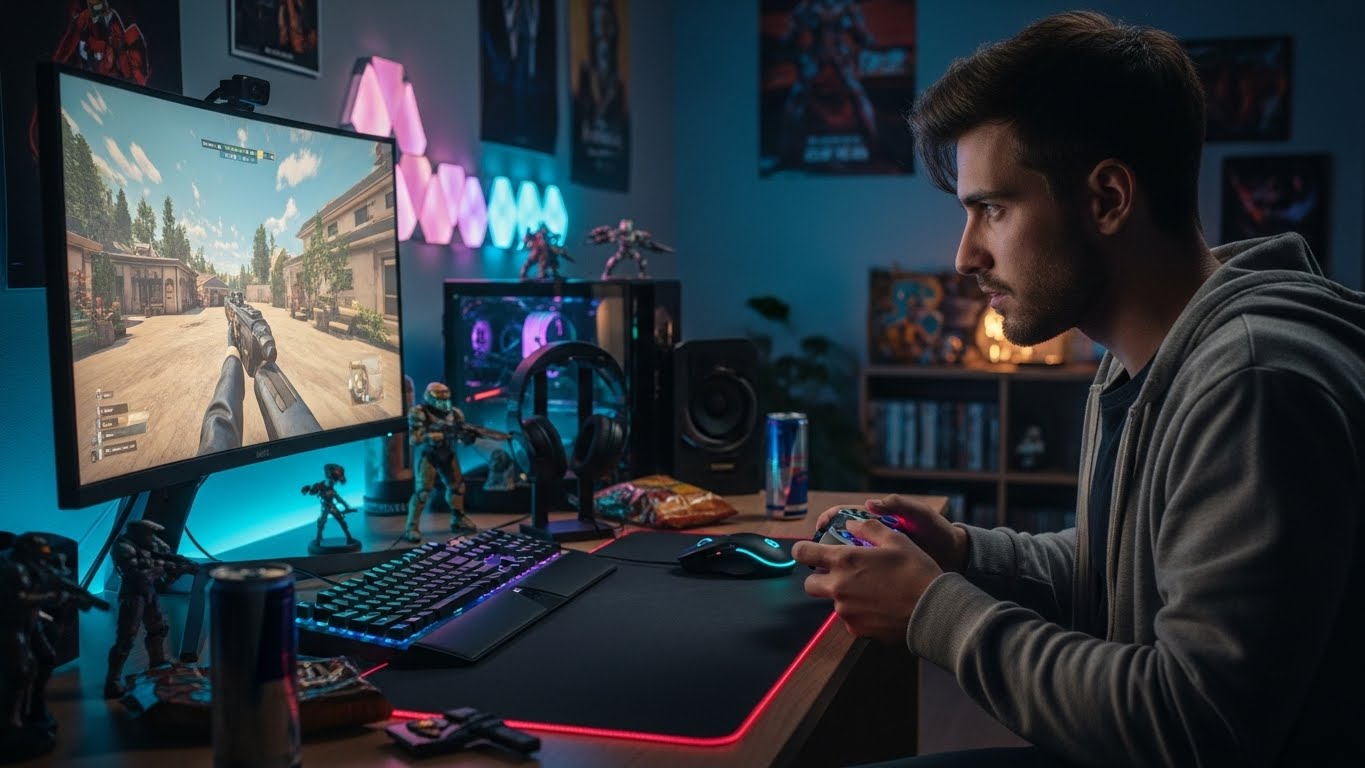
Gaming has evolved far beyond its early reputation as a simple leisure activity. Today, it is a global phenomenon, a cultural force, and a thriving creative industry influencing technology, storytelling, education, and even social interaction. With advancements in graphics, artificial intelligence, and online connectivity, gaming has transformed into a rich, immersive experience that appeals to people of all ages. In this blog, we will explore how modern gaming is reshaping the entertainment landscape, fostering creativity, and building communities in ways no other medium has achieved.
The Evolution of Gaming from Pixels to Cinematic Realism
Gaming began with pixelated graphics and simple mechanics, but it has grown into something truly spectacular. Modern games boast near-photorealistic environments, intelligent characters, dynamic worlds, and storytelling on par with blockbuster films. Developers now blend art, music, technology, and narrative in ways that create experiences impossible to replicate in any other form of entertainment.
In the early days, games like basic arcade titles focused purely on reflex and timing. Today, players explore massive open worlds, make moral decisions that shape story outcomes, and engage with characters who feel surprisingly alive. This evolution reflects not only technological growth but also the rising demand for deeper and more meaningful experiences. Players no longer want just a game—they want a journey.
The Rise of Immersive Storytelling
One of the most significant shifts in gaming is the focus on narrative depth. Many modern games embrace complex storylines, emotionally driven characters, and cinematic presentation. Storytelling has become a core element rather than a background feature.
Through branching choices, moral dilemmas, and character-driven plots, players become active participants in the story. Unlike traditional media, where audiences are passive viewers, gaming invites players to take control. This level of agency creates a personal bond with the narrative, making each player’s experience unique.
Such storytelling has pushed gaming into the realm of art. Emotional impact, character development, and thematic depth are now essential components of the medium.
Creativity at the Heart of Modern Gaming
Gamers today are not just players—they are creators. Many titles offer tools that allow players to design levels, build structures, customize characters, or even craft entire worlds. This creative freedom has fostered a new generation of digital artists and designers.
Sandbox games, world-building platforms, and community-driven modding scenes have allowed players to express themselves in unprecedented ways. For many, gaming serves as a gateway into fields such as graphic design, animation, coding, and storytelling. It is no exaggeration to say that gaming has become one of the most accessible creative outlets available today.
How Gaming Builds Global Communities
One of the most powerful aspects of modern gaming is its ability to bring people together. Online platforms allow players from across the world to connect, compete, and collaborate. These virtual communities often become digital homes where friendships form and memories are made.
Whether it is through cooperative missions, competitive arenas, or shared worlds, gaming provides endless opportunities for social interaction. The rise of voice chat, avatars, and online events has created digital spaces where people can meet new friends, express their identities, and experience a sense of belonging.
These communities often extend beyond the game itself, fostering discussions, fan art, role-playing groups, and even real-life meetups. Gaming is no longer confined to the screen; it has become a social ecosystem.
Esports and the Professionalization of Play
What was once considered a hobby has evolved into a professional sport. Esports has surged in popularity, drawing millions of viewers and creating opportunities for skilled players to compete on global stages.
Professional gaming is now supported by coaches, analysts, training programs, and sponsorships. Competitive titles attract vast audiences, sometimes rivaling traditional sports events. Players who demonstrate exceptional talent can build careers, earn income, and gain worldwide recognition.
Beyond competition, esports has helped legitimize gaming as a respected pursuit. It showcases the strategic depth, teamwork, and mental skill required in high-level play. This shift has reshaped the cultural perception of gamers, turning them into athletes in their own right.
The Role of Technology in Transforming Gameplay
Technological innovation has always driven gaming forward, and today’s advancements are nothing short of revolutionary. Graphics processing, realistic physics engines, artificial intelligence, motion-capture animation, and advanced audio design contribute to immersive and lifelike worlds.
Virtual reality and augmented reality are opening new frontiers, enabling players to step inside the game and interact with digital environments in physical ways. Cloud gaming and streaming services are making high-quality experiences accessible even without expensive hardware.
As technology continues to improve, the boundary between game worlds and reality grows thinner. Players can experience more depth, more detail, and more interactivity than ever before.
Gaming as a Tool for Learning and Development
Gaming is not only entertaining—it is educational. Many games teach problem-solving, strategic thinking, creativity, resource management, and teamwork. Educational titles are becoming more sophisticated, blending fun with learning in ways that engage students far better than traditional methods.
Simulation games, puzzle challenges, and history-based adventures can enhance cognitive skills and promote curiosity. Gamification in schools and corporate training programs demonstrates the power of interactive learning.
For younger players, gaming can support development in areas such as hand-eye coordination, decision-making, and spatial awareness. The key lies in balanced and mindful play, which maximizes the benefits while avoiding potential pitfalls.
The Emotional and Psychological Impact of Gaming
Contrary to outdated stereotypes, gaming often provides emotional benefits. Many players use games as a way to relax, relieve stress, or escape from overwhelming situations. Engaging stories can offer comfort, while cooperative gameplay fosters feelings of belonging and teamwork.
For some, gaming becomes a therapeutic outlet. It allows players to experience achievement, build confidence, and explore their identity. When used responsibly, it can be part of a healthy and balanced lifestyle.
Of course, moderation is important, but modern studies have shown that gaming can be enriching rather than harmful when approached mindfully.
The Future of Gaming: Boundless Possibilities
As technology accelerates, the future of gaming seems limitless. Artificial intelligence will likely play a greater role in shaping dynamic worlds and more intelligent characters. Virtual reality and augmented reality will become more accessible and immersive. Narrative design will continue to evolve, blending player choices with deep emotional storytelling.
We may see games that adapt to each player’s personality, games that help develop real-world skills, and games that merge seamlessly with daily life through wearable tech and smart devices. The lines between gaming, creativity, and communication will blur even further.
One thing is certain: gaming will continue to redefine entertainment and push the boundaries of what is possible.
Conclusion
Gaming is no longer just a pastime—it is an evolving art form, a social platform, a creative outlet, and a technological marvel. It influences culture, inspires innovation, and connects people across borders. Whether you are an avid gamer or someone who has barely touched a controller, the impact of modern gaming is undeniable.
As we look toward the future, gaming stands poised to lead the next wave of storytelling, creativity, and digital interaction. Beyond the screen lies a world filled with imagination, community, and endless potential.