Introduction: Gaming in the Modern Era
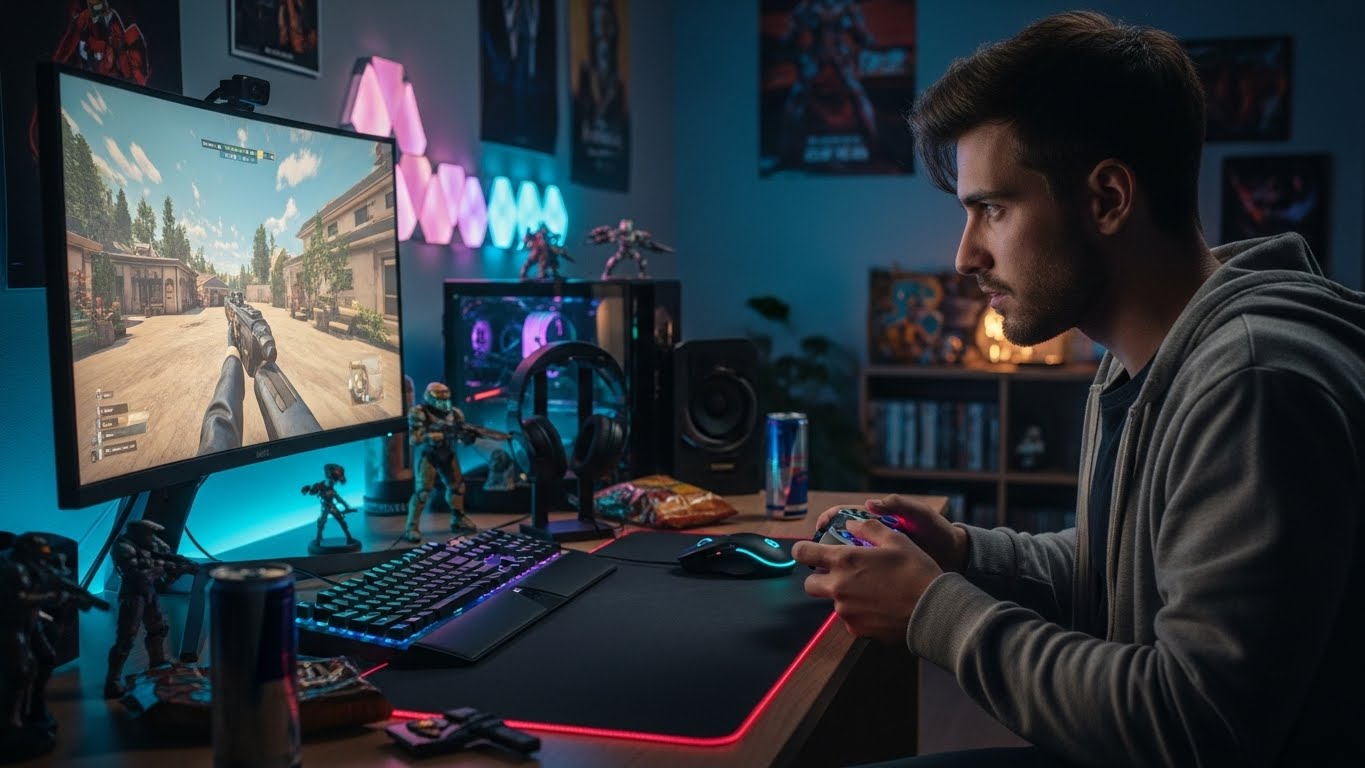
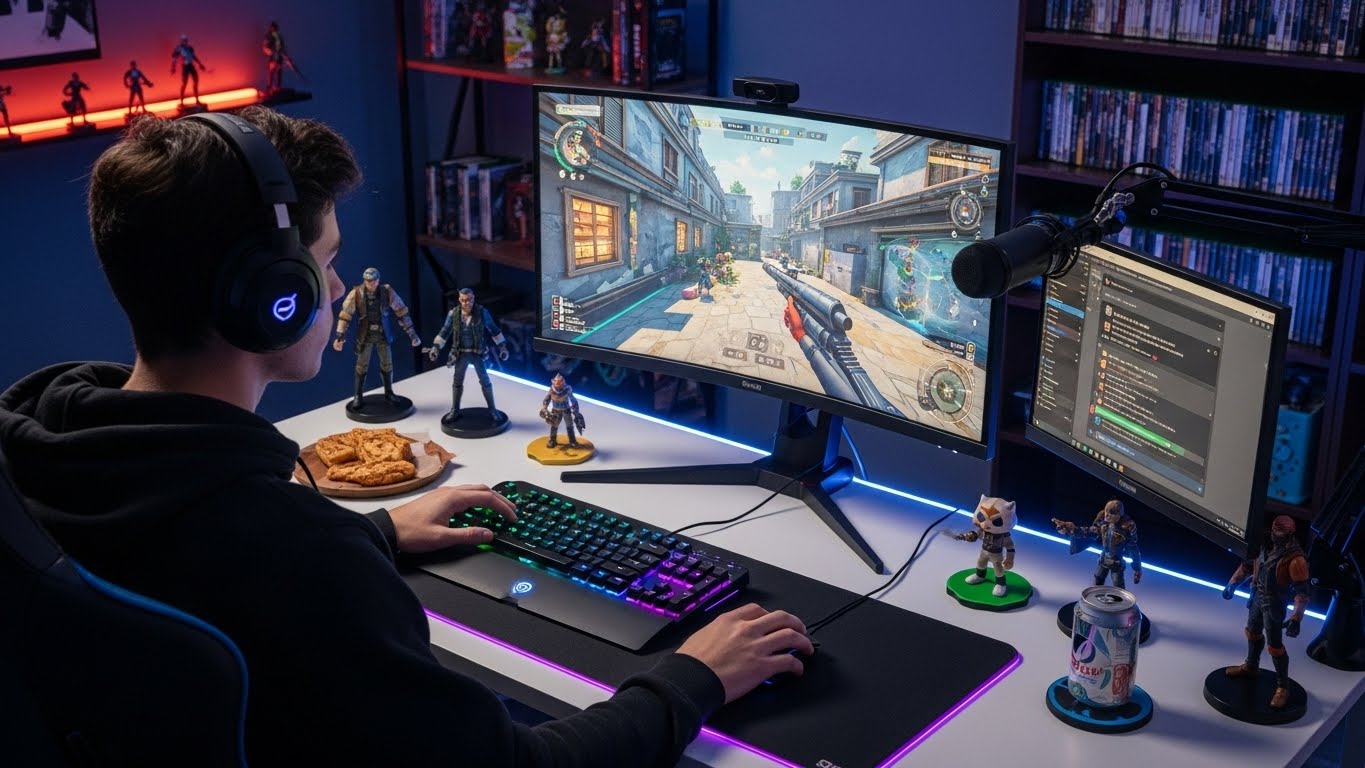
Gaming has evolved from a simple pastime into a major cultural and technological phenomenon. What once began as pixelated entertainment has grown into a multifaceted industry that shapes art, technology, social interaction, and even professional careers. Today, millions of players across the globe dive into immersive worlds, experience complex narratives, and compete in arenas that test strategy, skill, and teamwork. Gaming is no longer just a hobby—it has become a lifestyle, a form of expression, and a medium capable of evoking deep emotional connections.
The Evolution of Video Games
The journey of gaming reflects the growth of technology and creativity. In the 1970s and 1980s, video games were simple in design, often centered on high scores or basic objectives. Classics like Pong or Space Invaders captivated audiences with minimal graphics and straightforward gameplay. However, as technology advanced, so did the complexity of games. Developers began creating expansive worlds, intricate storylines, and realistic graphics that drew players into immersive experiences. Today, modern titles feature lifelike animations, dynamic physics, and artificial intelligence that responds intelligently to player actions, creating virtual worlds that feel alive and interactive.
The Social Dimension of Gaming
Gaming has transformed from an individual activity to a social experience. Online multiplayer games allow people to connect across countries and cultures. Friends and strangers collaborate in cooperative missions, compete in high-stakes tournaments, or communicate in virtual spaces. Gaming encourages teamwork, strategy, and communication, often building friendships that extend beyond the digital realm. Communities form around shared experiences, fan art, live streaming, and even online discussions, proving that gaming is as much about social interaction as it is about gameplay.
Esports: Gaming as a Competitive Arena
Competitive gaming, known as esports, has become a global phenomenon. Professional players now compete in leagues and tournaments watched by millions. Games like MOBAs, first-person shooters, and battle royale titles attract audiences comparable to traditional sports. Esports demands precision, strategic thinking, and quick decision-making, creating new career paths for professional players, coaches, and content creators. The rise of esports demonstrates that gaming can be taken seriously as a form of skill-based competition, offering opportunities and recognition to those who excel.
Immersive Storytelling in Games
Modern gaming is an art form that goes beyond simple entertainment. Narrative-driven games provide stories with emotional depth, moral dilemmas, and character development. Players influence outcomes, shape their journey, and experience consequences for their choices. Role-playing games, adventure titles, and interactive dramas allow players to step into another person’s shoes, explore complex scenarios, and make decisions that impact the story. This level of engagement creates a unique bond between player and narrative, making gaming one of the most immersive forms of storytelling in modern media.
Technology’s Role in Shaping Gaming
The technological evolution of gaming has been extraordinary. High-definition graphics, virtual and augmented reality, motion sensors, and artificial intelligence have transformed how games are played. Cloud gaming has expanded accessibility, enabling players to enjoy high-quality games on devices with minimal hardware. Haptic feedback and realistic sound design deepen immersion, while AI-driven characters respond to player behavior in dynamic ways. Technology has not only enhanced the visual and auditory appeal of games but also created experiences that are emotionally and intellectually engaging.
Gaming as a Platform for Creativity
Games are more than just interactive challenges—they are platforms for creativity. Many titles allow players to design characters, craft worlds, and construct entire narratives. Sandbox games, building simulators, and modding communities encourage players to innovate and experiment. Creative gaming fosters problem-solving, architectural thinking, storytelling, and artistic expression. By offering tools for imagination and experimentation, gaming enables players to create unique experiences that can inspire and entertain both themselves and others.
Emotional Engagement and Growth
Games have the ability to evoke profound emotional experiences. The excitement of overcoming a challenge, the tension of a difficult decision, and the heartbreak of a character’s story all contribute to a player’s emotional journey. These experiences encourage empathy, resilience, and reflection. Players learn to manage frustration, celebrate achievements, and explore different perspectives through virtual scenarios. Gaming offers not only entertainment but also opportunities for personal growth, helping players develop emotional intelligence and critical thinking skills in engaging ways.
Gaming and Mental Health
Contrary to outdated stereotypes, gaming can positively impact mental health. It provides stress relief, cognitive stimulation, and social interaction. Strategy games enhance problem-solving skills, puzzle games sharpen the mind, and role-playing games promote self-expression. Multiplayer games create a sense of belonging and reduce feelings of loneliness by connecting players with shared interests. For many, gaming is a therapeutic escape, offering relaxation and engagement that contributes to overall well-being.
Gaming as a Cultural Lens
Games reflect and shape cultural values. Popular titles influence music, art, fashion, and storytelling beyond the gaming world. Characters, settings, and narratives become cultural touchstones recognized even by those who do not play games. Gaming also explores social issues, moral questions, and historical contexts, providing insights into human behavior and society. The cultural impact of gaming continues to grow as it inspires creativity, fosters discussion, and offers players a way to explore the world and themselves in meaningful ways.
The Future of Gaming
The future of gaming promises even greater immersion and innovation. Advancements in artificial intelligence, virtual reality, and cloud technology will expand gameplay possibilities. Games will become more dynamic, adaptive, and interconnected, offering experiences that evolve even when players are offline. The boundaries between gaming and other forms of media will blur, enabling interactive storytelling across platforms. As technology continues to progress, gaming will not only entertain but also educate, connect, and inspire, shaping the next generation of digital experiences.
The Importance of Player Agency
Player agency—the ability to make meaningful choices—is central to modern gaming. Players determine how to approach challenges, interact with characters, and influence story outcomes. This level of control makes gaming a highly personal experience, where no two journeys are identical. Player agency encourages critical thinking, creativity, and ethical consideration, highlighting the unique interactive nature of games compared to passive forms of entertainment.
Gaming as a Lifelong Companion
Gaming is not limited by age or experience. People grow up with favorite franchises, return to beloved worlds, and share games with friends and family. The industry caters to casual players, enthusiasts, and professional gamers, offering experiences that adapt to different stages of life. Gaming evolves alongside its audience, providing entertainment, challenge, creativity, and social connection over a lifetime. Its enduring presence in people’s lives underscores its significance as more than just a pastime.
Community and Responsibility in Gaming
The gaming community plays a critical role in shaping the overall experience. Positive interactions, inclusive design, and ethical behavior contribute to healthy, welcoming spaces. Developers, content creators, and players share responsibility for promoting fairness, respect, and collaboration. By nurturing supportive environments, the community ensures that gaming remains accessible and enjoyable for everyone, fostering spaces where creativity and connection thrive.
Conclusion: Gaming Beyond Entertainment
Gaming has grown into a powerful force in modern life, influencing technology, culture, social interaction, and personal development. It connects people, sparks creativity, challenges the mind, and provides immersive stories that resonate emotionally. As the industry continues to evolve, the possibilities for innovation, engagement, and cultural impact are limitless. Gaming is more than a form of entertainment; it is a medium that empowers, educates, and inspires, offering players experiences that extend far beyond the screen. Whether for relaxation, competition, storytelling, or social connection, gaming represents a universe of endless potential waiting to be explored.