Introduction: Gaming Beyond Entertainment
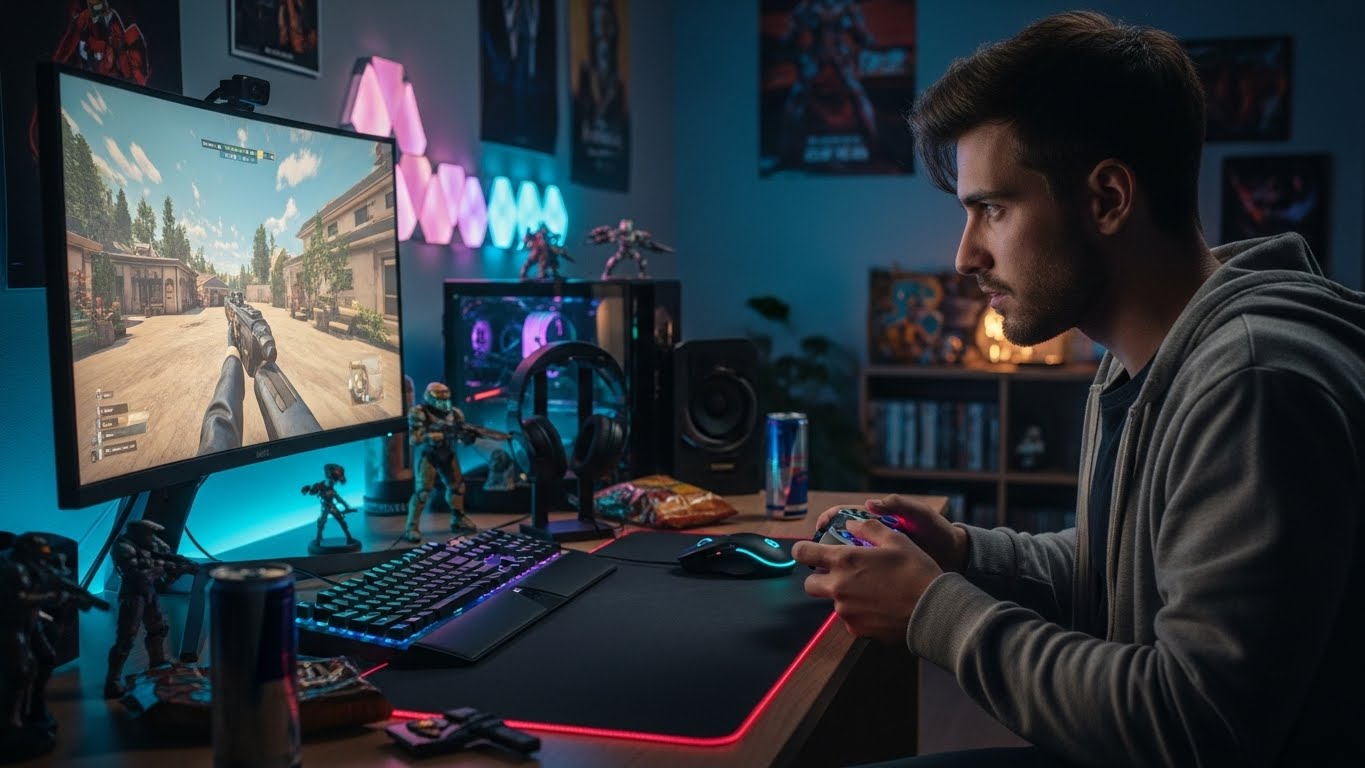
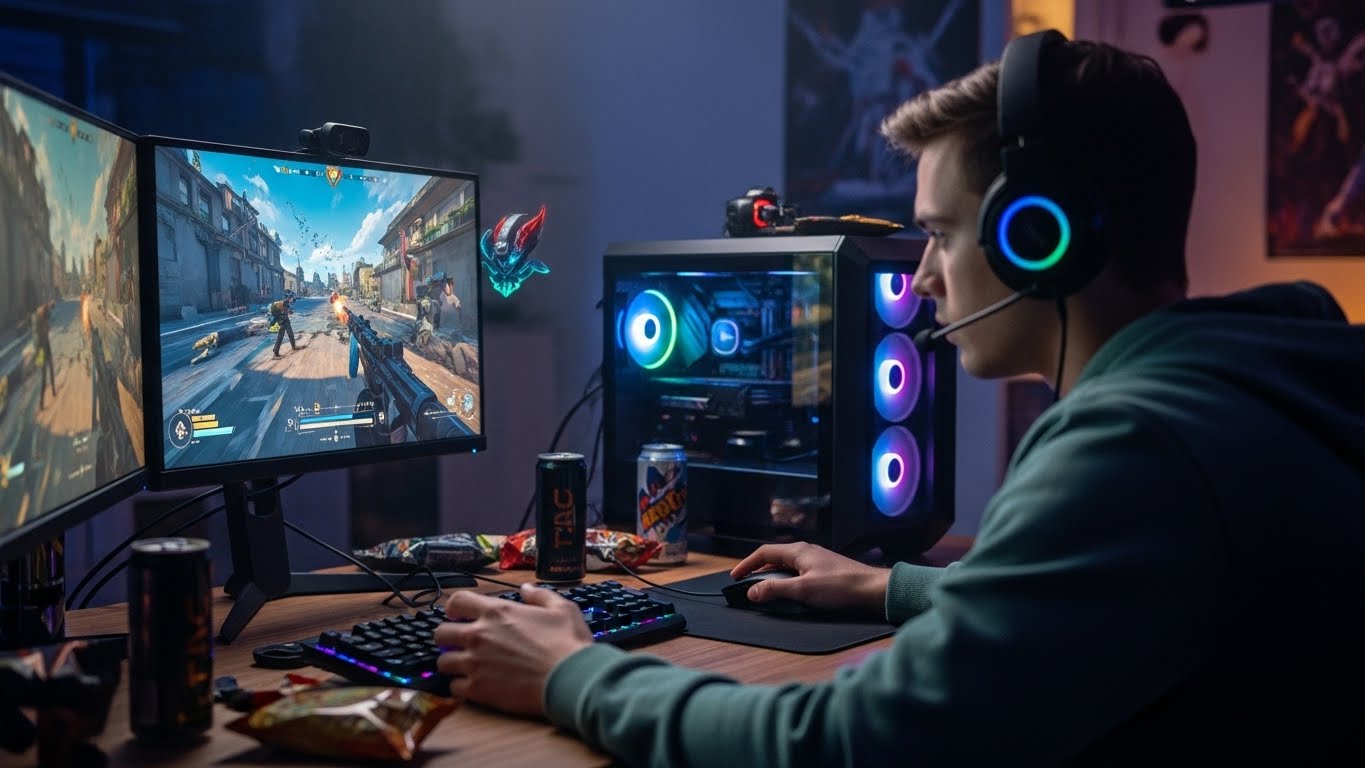
Gaming has long been viewed as a pastime, a simple form of entertainment to pass the hours. However, in recent years, the perception of gaming has shifted dramatically. What was once considered a frivolous hobby has now become a multifaceted experience capable of enhancing cognitive skills, fostering social connections, and even shaping careers. The digital worlds created by games are not merely escapism; they are platforms for creativity, strategy, and personal growth. Modern gaming is a universe that merges technology, storytelling, and human interaction, offering far more than meets the eye.
The Evolution of Gaming
The journey of gaming from rudimentary pixelated screens to hyper-realistic virtual worlds is nothing short of remarkable. Early video games were simple, focusing on basic mechanics and repetitive objectives. Over time, advancements in graphics, artificial intelligence, and storytelling have transformed games into immersive experiences rivaling movies and novels. Today, players can explore vast open worlds, interact with complex characters, and even influence the outcome of narratives in ways that were unimaginable just a decade ago. Gaming is no longer confined to arcades or consoles; mobile gaming, cloud platforms, and virtual reality have made it accessible to millions globally, breaking traditional barriers of age, geography, and skill level.
Cognitive Benefits of Gaming
One of the most overlooked aspects of gaming is its potential to enhance cognitive abilities. Games often require players to solve complex puzzles, develop strategies, and make quick decisions under pressure. These challenges stimulate critical thinking, improve problem-solving skills, and enhance memory retention. For instance, strategy games demand careful planning and resource management, while action games improve hand-eye coordination and reaction times. Moreover, multiplayer games often involve teamwork and communication, further sharpening social intelligence and collaborative abilities. Far from being a passive activity, gaming engages the mind in ways that are both challenging and rewarding.
Emotional and Psychological Impact
Gaming is not only beneficial for the mind but also for emotional well-being. It provides a safe space for individuals to explore different aspects of their personality, confront fears, and experience a range of emotions without real-world consequences. Many games feature narratives that tackle complex themes such as morality, loss, and identity, allowing players to empathize with characters and understand different perspectives. Furthermore, gaming can serve as a stress-relief tool, offering an immersive escape from daily pressures. The sense of achievement from completing difficult tasks or reaching milestones can also boost self-esteem and provide a tangible sense of progress.
Social Connectivity Through Gaming
Contrary to the stereotype of gamers as isolated individuals, modern gaming often fosters strong social connections. Multiplayer games, online communities, and esports create spaces where players can meet like-minded individuals, collaborate on objectives, and form lasting friendships. Cooperative gameplay teaches valuable social skills such as communication, leadership, and conflict resolution. Gaming conventions, tournaments, and online streams further amplify this sense of community, offering platforms for players to share experiences, showcase talent, and celebrate their shared passion. These social dimensions of gaming demonstrate that it is far more than a solitary activity—it is a cultural phenomenon that brings people together.
The Rise of Competitive Gaming
The competitive aspect of gaming, commonly referred to as esports, has seen explosive growth in the past decade. Professional players now compete in tournaments with substantial cash prizes and global recognition. Esports is not just a career path but a serious industry that demands discipline, training, and strategic thinking akin to traditional sports. Players must maintain rigorous practice schedules, analyze opponents, and continuously adapt strategies to succeed at the highest levels. The rise of competitive gaming has also inspired a new generation of spectators who watch matches for entertainment, education, and inspiration. This evolution underscores gaming’s legitimacy as both a professional pursuit and a global phenomenon.
Gaming and Creativity
Another compelling aspect of gaming is its ability to inspire creativity. Many games encourage players to design their own worlds, create content, or experiment with mechanics in innovative ways. Sandbox games, in particular, provide tools for endless experimentation, allowing players to build intricate structures, craft stories, or simulate real-world systems. This creative freedom translates beyond gaming, influencing art, storytelling, and problem-solving in everyday life. Even narrative-driven games stimulate imaginative thinking by immersing players in diverse settings, cultures, and scenarios. The creative potential of gaming demonstrates that it is not merely a form of consumption but also a medium for expression and innovation.
Educational Potential of Games
The educational potential of gaming has been increasingly recognized by educators and researchers. Serious games, designed with learning objectives in mind, can teach everything from mathematics and science to history and language. Interactive simulations allow students to engage with material in ways that traditional textbooks cannot replicate, making learning dynamic and memorable. Even mainstream entertainment games can offer educational value by enhancing critical thinking, spatial reasoning, and decision-making skills. Gamification of learning demonstrates how principles of game design—such as rewards, progression, and challenges—can motivate and engage learners of all ages.
Challenges and Misconceptions
Despite the many benefits, gaming is not without challenges and misconceptions. Concerns about addiction, screen time, and social isolation persist, and for some individuals, excessive gaming can interfere with responsibilities or mental health. It is important to recognize that moderation and balance are key. Understanding the difference between healthy gaming habits and problematic behavior allows players to enjoy the benefits of gaming while minimizing potential risks. Misconceptions also extend to cultural biases, with critics often overlooking the skill, dedication, and creativity involved in gaming. Addressing these challenges requires a nuanced understanding of both the positive and negative aspects of gaming culture.
The Future of Gaming
The future of gaming promises even greater innovation and integration into daily life. Virtual reality and augmented reality are set to redefine immersion, creating experiences that blend the digital and physical worlds. Artificial intelligence is increasingly being used to generate dynamic narratives, adaptive gameplay, and personalized challenges, making games more responsive to individual players. Additionally, the expansion of cloud gaming and mobile platforms ensures that access to high-quality gaming experiences continues to grow globally. As technology evolves, gaming will likely become an even more integral part of education, entertainment, and social interaction.
Conclusion: Gaming as a Lifestyle
Gaming today is far more than a casual hobby—it is a lifestyle, a career, a creative outlet, and a social platform. It challenges the mind, nurtures creativity, and fosters meaningful human connections. The digital landscapes of games are spaces where players can explore, experiment, and grow, both intellectually and emotionally. By understanding and appreciating the depth of gaming, society can move beyond stereotypes and recognize it as a powerful tool for personal development and community building. Gaming is no longer just about leisure; it is about learning, connecting, and evolving. For those willing to embrace it, gaming offers a pathway to leveling up not only in the digital world but also in real life.