Introduction: Gaming in the Modern Era
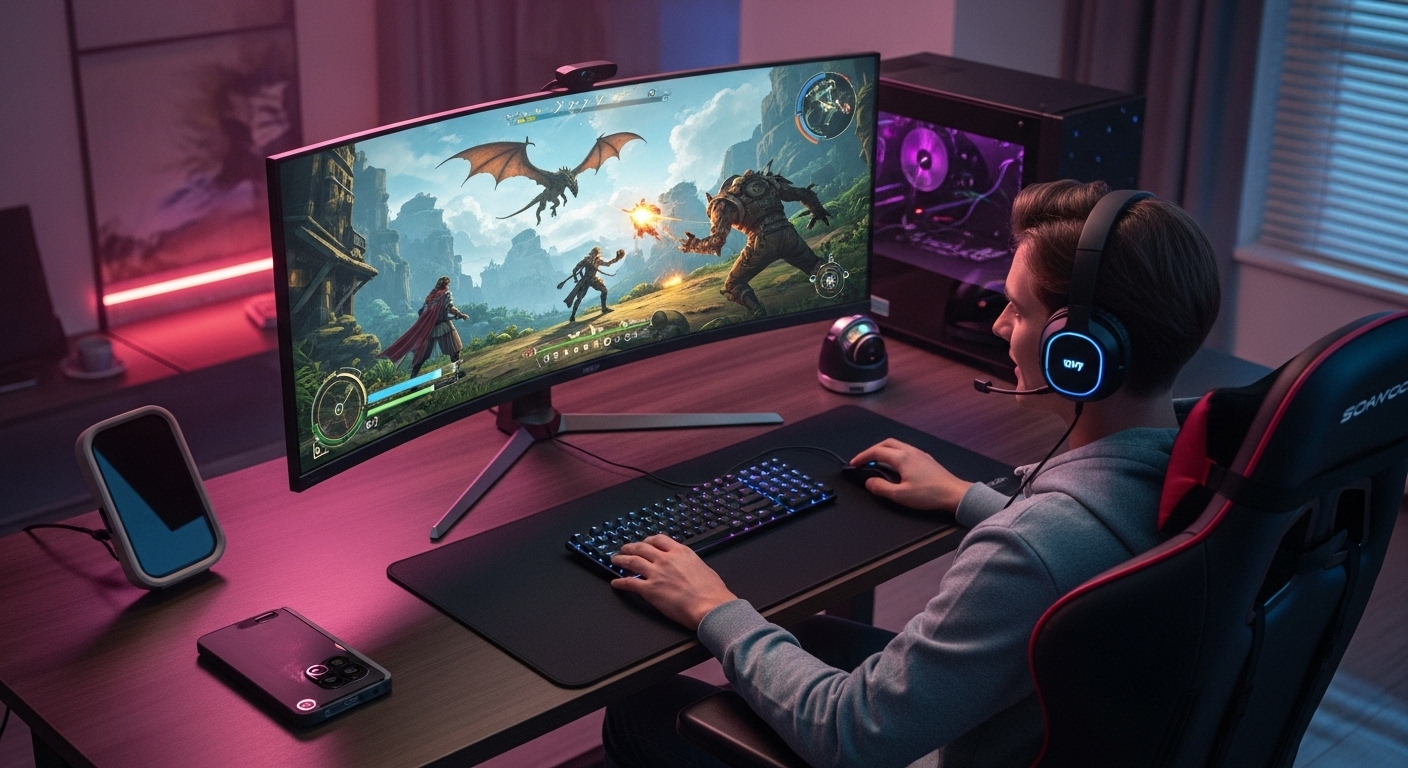
Gaming has evolved from a niche hobby into a dominant cultural and technological force. What once started as simple pixelated games on basic consoles has transformed into complex, immersive experiences that captivate millions around the world. Today, gaming is not just about entertainment; it influences technology, education, social interaction, and even career paths. Players of all ages explore vast virtual worlds, engage in competitive tournaments, and build communities online. Understanding the impact of gaming requires examining its technological evolution, cultural significance, social impact, and potential for the future.
The Evolution of Gaming Technology
The history of video games is a story of rapid innovation and technological advancement. Early games were limited by simple mechanics, minimal graphics, and constrained computing power. Arcade machines and home consoles provided interactive experiences that were groundbreaking at the time. Over the years, the development of high-definition graphics, sophisticated game engines, and artificial intelligence transformed gaming into an immersive medium. Players now enjoy realistic environments, complex character behaviors, and open-world adventures that respond dynamically to their actions. Gaming technology has not only elevated entertainment but has also influenced computer science, software development, and digital storytelling.
Gaming as a Form of Storytelling
Modern video games are powerful storytelling platforms. Unlike movies or books, games allow players to interact with the narrative, shaping the story through their decisions and actions. This level of interactivity fosters emotional engagement and personal investment in the characters and plot. Developers use music, visuals, dialogue, and world-building to create immersive experiences that challenge players intellectually and emotionally. Many games explore complex themes such as morality, identity, and human relationships, proving that gaming is a legitimate and evolving art form capable of conveying deep messages.
The Social Dimension of Gaming
Gaming has become a major social platform. Online multiplayer games allow people to connect across countries and cultures, forming friendships, teams, and communities. Cooperative gameplay encourages communication, collaboration, and strategic thinking, while competitive games foster healthy rivalry and sportsmanship. Gaming communities often extend beyond the screen, with players sharing advice, fan art, and experiences. For many, video games provide a sense of belonging, particularly for those who may struggle with traditional social interactions. The social dimension of gaming has created inclusive spaces where people can connect and collaborate on shared passions.
Mobile Gaming and Accessibility
The rise of mobile gaming has made games accessible to a global audience. Smartphones and tablets allow players to enjoy games anywhere and anytime, bridging the gap between casual and hardcore gamers. Mobile games range from simple puzzles to complex strategy and simulation experiences, catering to diverse interests. The accessibility of mobile gaming has broadened the player base, bringing millions of new participants into the gaming ecosystem. It has also encouraged developers to create games that are both engaging and convenient, reflecting the growing demand for entertainment on the go.
Competitive Gaming and Esports
Esports has transformed gaming into a professional and competitive field. Players compete at national and international tournaments, with millions of spectators following events online and in-person. Success in esports requires skill, strategy, teamwork, and dedication, much like traditional sports. Competitive gaming has created careers not only for players but also for coaches, analysts, commentators, and event organizers. The rise of esports demonstrates the legitimacy of gaming as a profession and highlights its capacity to bring together communities worldwide in celebration of talent and strategy.
Educational and Cognitive Benefits of Gaming
Video games are more than entertainment—they offer cognitive, educational, and developmental benefits. Strategy and puzzle games enhance problem-solving skills, critical thinking, and decision-making under pressure. Simulation and role-playing games improve creativity, planning, and adaptability. Multiplayer games encourage communication, negotiation, and leadership skills. Educational titles provide interactive learning in subjects like history, science, and mathematics. By blending fun with skill development, gaming supports personal growth and intellectual engagement in ways that traditional educational tools cannot always achieve.
Cultural Influence of Gaming
Gaming has become a significant cultural force, influencing music, fashion, art, and social trends. Iconic characters and storylines inspire fan art, cosplay, digital content creation, and merchandise. Popular games spark conversations, memes, and trends across social media platforms, connecting people through shared experiences. Gaming culture fosters creativity, collaboration, and a sense of identity within communities. Its influence is evident in music videos, fashion collaborations, and even films, highlighting how video games have become an integral part of modern cultural expression.
Challenges in Gaming
Despite its many benefits, gaming faces challenges. Excessive gaming can impact physical health, sleep patterns, and mental well-being. Online toxicity, harassment, and cyberbullying can create negative experiences for players. Concerns about addiction, representation, and ethical game design continue to spark discussion among developers, players, and policymakers. Addressing these challenges requires awareness, moderation, community management, and responsible game design. Promoting healthy gaming habits ensures that players can enjoy immersive experiences while minimizing potential negative effects.
The Future of Gaming
The future of gaming promises unprecedented innovation. Virtual reality (VR) immerses players in fully interactive, lifelike worlds, while augmented reality (AR) blends digital content with the real environment. Cloud gaming removes hardware limitations, making high-quality games accessible on a wide range of devices. Artificial intelligence will continue to enhance gameplay by creating adaptive challenges, intelligent characters, and personalized experiences. As technology advances, gaming will become more immersive, interactive, and influential, shaping entertainment, education, and social interaction in ways that are only beginning to be realized.
Conclusion: Gaming as a Transformative Medium
Gaming is far more than a form of entertainment; it is a transformative medium shaping culture, technology, and society. It offers opportunities for storytelling, education, skill development, and social connection. From mobile games to competitive esports, gaming engages millions globally, fostering creativity, collaboration, and personal growth. As technology evolves, gaming will continue to expand its reach, influence, and cultural significance. Embracing gaming as a multifaceted medium allows us to appreciate its impact not only as entertainment but as a powerful force that connects, educates, and inspires people worldwide.