Introduction
Gaming has evolved from a niche hobby into a global cultural phenomenon that spans multiple generations and demographics. From the simple pixelated games of the 1970s and 1980s to the highly immersive, multi-platform experiences of today, the gaming industry has grown into a multibillion-dollar sector that influences technology, entertainment, and social interaction. Gaming is no longer just a form of recreation; it is a platform for storytelling, competition, education, and community building. This blog explores the evolution of gaming, current trends, technological innovations, challenges, and what the future holds for gamers and the industry alike.
The Origins of Gaming
The origins of gaming can be traced back to the early days of computers and arcade machines. Classic games like Pong, Space Invaders, and Pac-Man laid the foundation for interactive entertainment. These early games were simple in design but innovative for their time, offering players a new form of digital engagement. The 1980s and 1990s witnessed the rise of home consoles, such as the Nintendo Entertainment System and Sega Genesis, which brought gaming into living rooms worldwide. During this era, the concept of narrative-driven games began to emerge, giving players more than just challenges—they provided stories, characters, and worlds to explore.
As technology improved, so did the complexity of games. The introduction of 3D graphics, CD-ROMs, and more sophisticated game engines in the 1990s allowed developers to create richer environments and deeper gameplay experiences. This period also marked the emergence of PC gaming as a dominant force, with genres like real-time strategy, role-playing games, and first-person shooters gaining popularity.
The Rise of Online Gaming
The late 1990s and early 2000s saw the rise of online gaming, transforming the way players interacted with each other. Multiplayer games became increasingly popular, allowing individuals from across the world to connect, compete, and collaborate in virtual spaces. Titles such as Counter-Strike, World of Warcraft, and EverQuest set new standards for online engagement and community building. Online gaming introduced social interaction as a core element of gameplay, turning solitary entertainment into shared experiences.
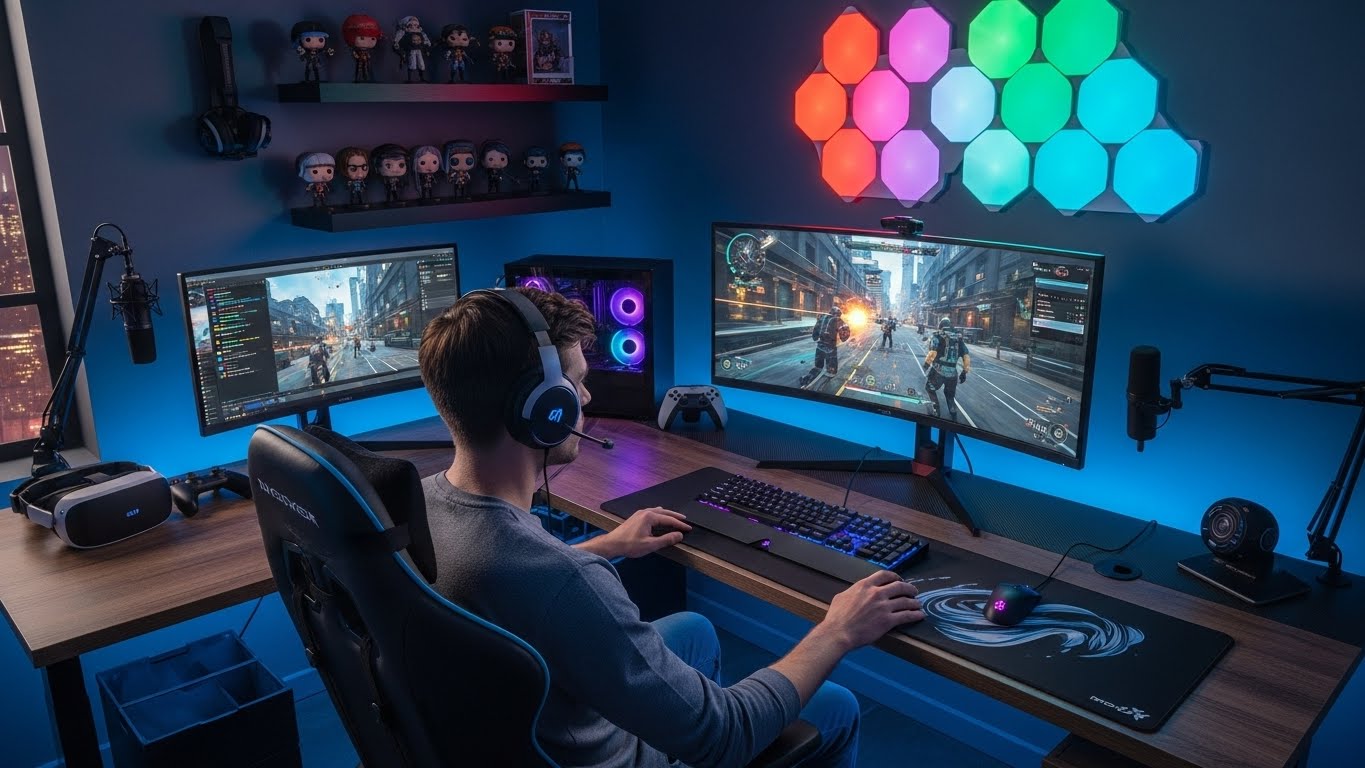
With broadband internet becoming more accessible, online gaming evolved further, giving rise to massively multiplayer online games (MMOs), competitive eSports, and virtual worlds where players could create avatars, form guilds, and participate in large-scale events. Online gaming also fostered the growth of streaming platforms, where players could showcase their skills and engage with audiences in real time.
Gaming Platforms and Devices
Modern gaming spans a variety of platforms, each catering to different player preferences. Consoles remain popular, offering immersive experiences with powerful hardware and exclusive titles. The PlayStation, Xbox, and Nintendo Switch continue to dominate the console market, each bringing unique features and innovative gameplay experiences.
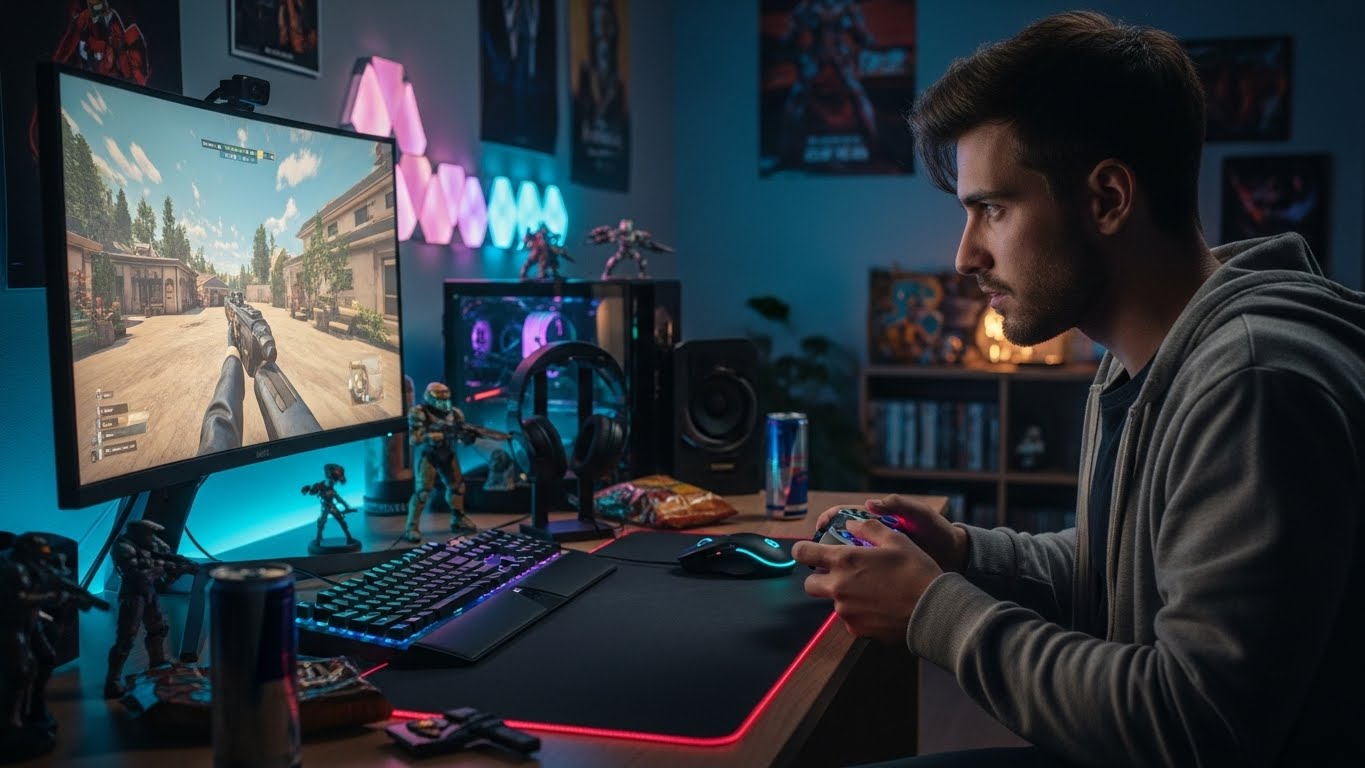
PC gaming has also maintained a strong presence, particularly for competitive gaming and games that require high-end graphics and processing power. PC platforms provide flexibility in hardware customization, enabling players to tailor their systems for optimal performance.
Mobile gaming has emerged as a dominant force, driven by the widespread use of smartphones and tablets. Mobile games provide instant accessibility and cater to casual players who may not invest in dedicated gaming hardware. Titles like Candy Crush, PUBG Mobile, and Fortnite have redefined the notion of gaming on the go, appealing to diverse demographics.
Cloud gaming is the latest innovation, allowing players to stream high-quality games on various devices without the need for expensive hardware. By leveraging remote servers, cloud gaming platforms provide convenience and flexibility, making gaming more accessible to a broader audience.
Key Trends in Modern Gaming
Several trends are currently shaping the gaming industry and influencing player experiences. One significant trend is the rise of immersive technologies such as virtual reality (VR) and augmented reality (AR). VR gaming allows players to step into fully interactive 3D worlds, providing experiences that were previously unimaginable. AR games, on the other hand, overlay digital elements onto real-world environments, creating unique interactive experiences.
Another trend is gamification, where games incorporate elements like achievements, challenges, leaderboards, and rewards to increase engagement. Gamification is not limited to entertainment; it is also applied in education, fitness, and productivity apps, making tasks more interactive and enjoyable.
The popularity of eSports is another defining trend. Competitive gaming has grown into a professional industry, with tournaments, sponsorships, and global audiences. Games like League of Legends, Dota 2, and Call of Duty have created career opportunities for professional players, commentators, and content creators. eSports has also bridged the gap between traditional sports and gaming, bringing legitimacy and recognition to competitive gaming.
Streaming and content creation are transforming how players experience games. Platforms that allow gamers to broadcast their gameplay to audiences worldwide have created new communities and opportunities for engagement. Content creators influence gaming trends, showcase new releases, and provide tutorials that enhance the player experience.
The Role of Storytelling in Gaming
Storytelling has become an essential component of modern gaming. Unlike early games, which focused solely on gameplay mechanics, contemporary titles often feature complex narratives, rich characters, and expansive worlds. Games like The Witcher series, Red Dead Redemption, and The Last of Us demonstrate how storytelling can evoke emotions, challenge players morally, and provide immersive experiences comparable to films or literature.
Interactive storytelling allows players to influence the direction of the narrative through their choices. This element of agency creates deeper engagement, as players feel responsible for shaping the game world and its outcomes. Story-driven games also encourage exploration, problem-solving, and critical thinking, making gaming both entertaining and intellectually stimulating.
Gaming and Social Interaction
Modern gaming is as much a social activity as it is entertainment. Multiplayer games, online communities, and streaming platforms facilitate interaction and collaboration among players worldwide. Gaming communities often form around shared interests, genres, or competitive events, providing players with a sense of belonging and identity.
Social features in games, such as in-game chat, voice communication, and cooperative missions, strengthen connections between players. Gaming has become a medium for building friendships, teamwork, and even professional networking. During challenging times, such as global lockdowns, gaming offered a vital avenue for social interaction and mental engagement.
Challenges Facing the Gaming Industry
Despite its rapid growth and technological advancements, the gaming industry faces several challenges. One significant challenge is balancing monetization with player satisfaction. Microtransactions, loot boxes, and subscription models have generated revenue for developers but have also sparked debates about fairness, addiction, and exploitation. Developers must find ways to generate income without compromising the gaming experience.
Another challenge is diversity and inclusion. The industry has historically been criticized for underrepresentation of women, minorities, and marginalized groups, both in game content and development teams. Promoting diversity and inclusivity is crucial for creating games that resonate with a broader audience and reflect global cultures.
Cybersecurity is an ongoing concern, especially with online and cloud gaming. Protecting player data, preventing cheating, and maintaining fair gameplay are critical responsibilities for developers and platform providers. Regulatory compliance, ethical practices, and technological safeguards are necessary to maintain trust and integrity within the gaming ecosystem.
The Future of Gaming
The future of gaming is poised for remarkable innovation and expansion. Advances in artificial intelligence, machine learning, and procedural generation will allow developers to create dynamic, adaptive worlds that respond to player actions in unprecedented ways. Games will become increasingly personalized, tailoring experiences to individual preferences, skill levels, and play styles.
Virtual reality and augmented reality will continue to push the boundaries of immersion, enabling experiences that blend the digital and physical worlds. Mixed reality technologies may redefine gaming spaces, allowing players to interact with digital objects and environments in real time.
Cloud gaming and cross-platform play will make gaming more accessible and flexible. Players will no longer be confined to a single device or location, enabling seamless experiences across consoles, PCs, mobile devices, and VR platforms. This connectivity will foster global communities and collaborative gameplay on an unprecedented scale.
The integration of gaming with other industries, such as education, healthcare, and entertainment, will expand the impact of games beyond recreation. Educational games, serious games, and gamified experiences will transform learning, skill development, and professional training, making gaming a tool for personal and societal growth.
Conclusion
Gaming has come a long way from its humble beginnings as simple pixelated entertainment. Today, it is a complex, multifaceted industry that blends technology, creativity, and social interaction. The evolution of gaming has been marked by technological advancements, immersive storytelling, online connectivity, and innovative business models. Modern gaming offers experiences that are entertaining, intellectually stimulating, and socially engaging.
As the industry continues to evolve, gaming will play an increasingly important role in culture, technology, and society. Emerging technologies such as virtual reality, augmented reality, artificial intelligence, and cloud gaming promise to redefine how games are played, experienced, and shared. Gaming is no longer just a pastime; it is a dynamic platform for creativity, collaboration, and innovation. For players, developers, and enthusiasts alike, the world of gaming is an exciting frontier full of endless possibilities.