Introduction
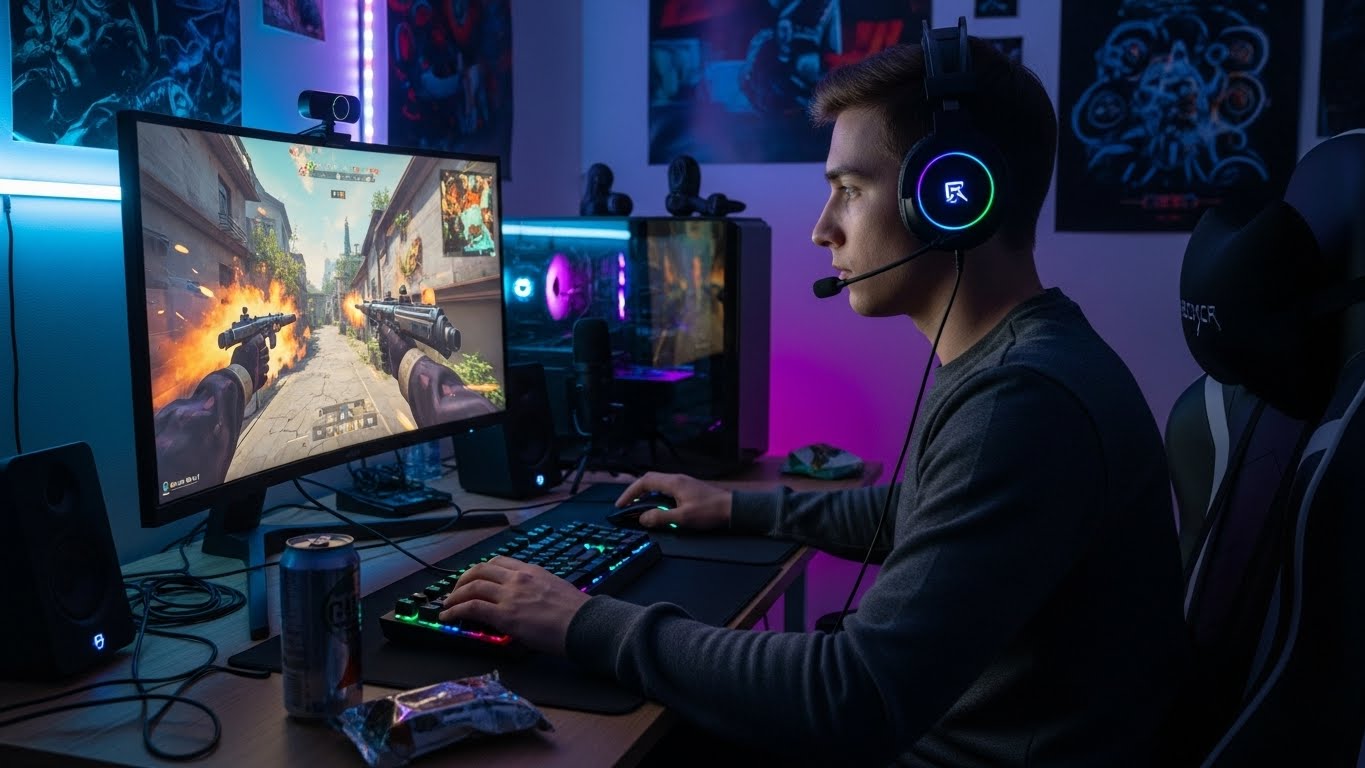
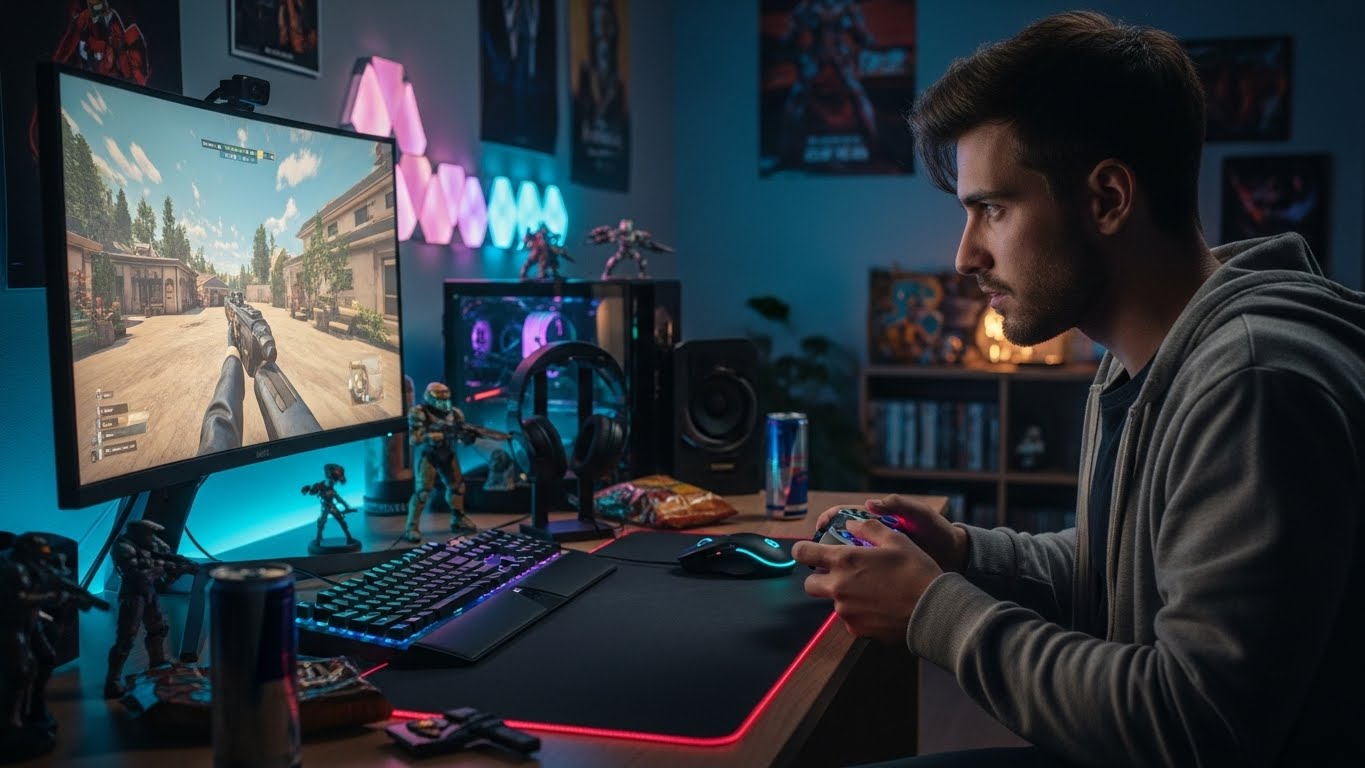
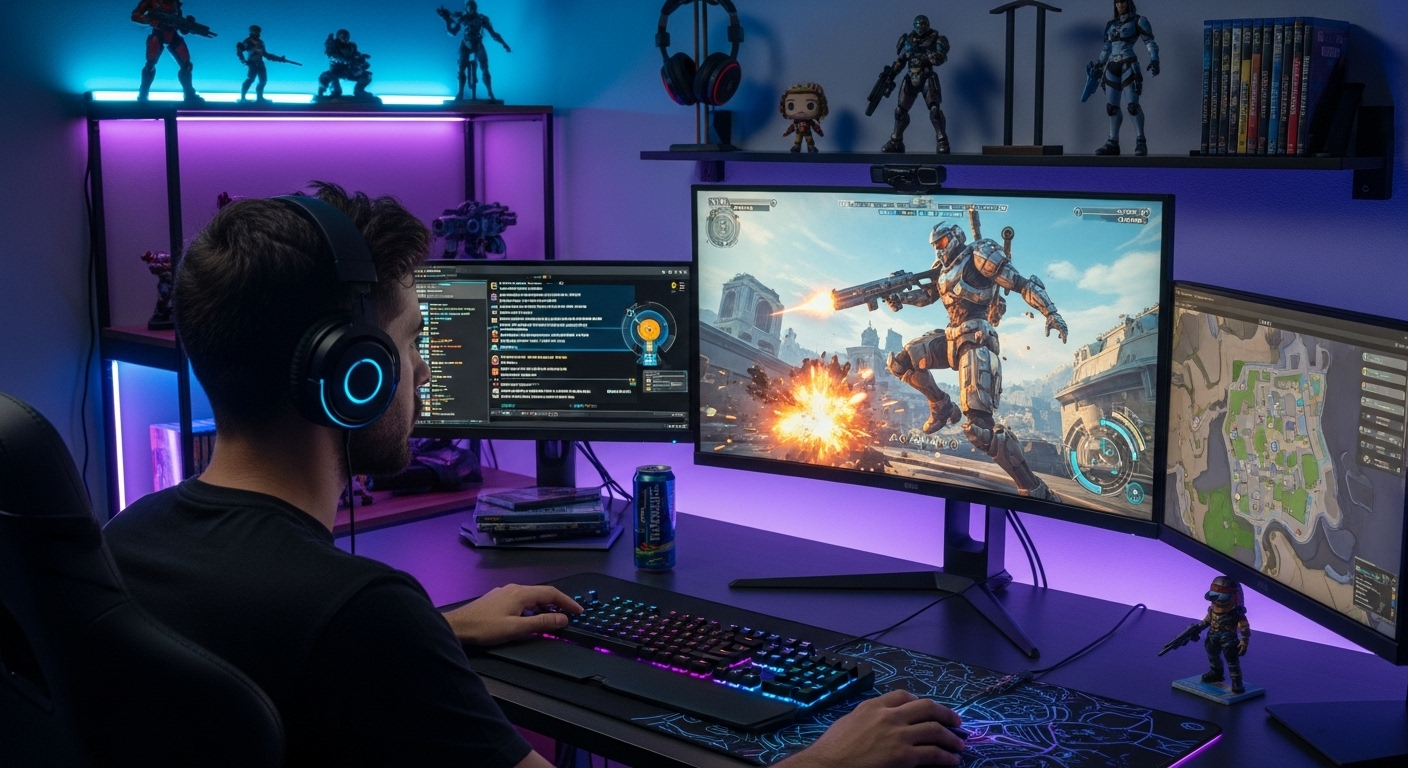
Gaming has evolved into one of the most influential forms of entertainment in the modern world. It is no longer just a hobby for a few enthusiasts; it has become a cultural phenomenon enjoyed by millions globally. From casual mobile games to competitive esports, gaming influences social connections, creativity, and even cognitive skills. This blog explores the impact of gaming and why it has become an integral part of our lives.
The Evolution of Gaming
The gaming industry has transformed dramatically over the past few decades. Early video games featured simple graphics and gameplay, yet they captivated players with their creativity. As technology advanced, games became more immersive, offering detailed graphics, complex storylines, and interactive worlds. Modern gaming includes virtual reality, augmented reality, and cloud-based platforms, making the experience more engaging and accessible than ever before.
Social Interaction Through Gaming
One of the most significant changes in gaming is its social aspect. Online multiplayer games allow players to connect with friends and strangers worldwide. Games like Fortnite, Minecraft, and Call of Duty have created communities where teamwork, strategy, and communication are essential. Gaming has become a social platform where people share experiences, build friendships, and collaborate across cultures.
Gaming as an Art Form
Video games are more than entertainment—they are a creative medium. Developers design immersive worlds, compelling narratives, and memorable characters that rival movies and literature. Games like The Legend of Zelda and The Last of Us showcase storytelling, artistry, and emotional depth. Gaming allows players to experience stories in an interactive way, making it a unique form of artistic expression.
Competitive Gaming and Esports
Esports has transformed gaming into a professional arena. Players compete in tournaments with global audiences and substantial prize pools. Games like Dota 2, League of Legends, and Overwatch have professional leagues, dedicated fans, and international recognition. Esports athletes demonstrate skill, strategy, and dedication, inspiring both players and viewers. The rise of competitive gaming has also changed how society views gaming as a legitimate career and sport.
Cognitive and Skill Development
Gaming can enhance various cognitive and practical skills. Strategy games improve critical thinking and planning, while action games enhance reflexes and hand-eye coordination. Puzzle and simulation games develop problem-solving abilities and creativity. Gaming also teaches perseverance and adaptability, encouraging players to think quickly and respond to changing situations.
Challenges in Gaming
While gaming has numerous benefits, it also presents challenges. Excessive gaming can lead to addiction, social isolation, and physical health concerns. Additionally, some online communities can foster negative behavior, such as harassment or toxic competition. It is important for players to maintain balance, practice responsible gaming, and promote positive interactions within gaming communities.
The Future of Gaming
The future of gaming promises even more innovation. Artificial intelligence, virtual reality, and cloud gaming will create richer, more immersive experiences. Games will become more interactive, personalized, and integrated into daily life. As technology advances, gaming will continue to influence entertainment, education, and social interaction on a global scale.
Conclusion
Gaming is more than a form of entertainment; it is a cultural force that shapes creativity, social connections, and skills. From casual mobile games to professional esports, gaming influences millions of people worldwide. As the industry grows and technology advances, gaming will continue to redefine how we play, learn, and connect, making it an essential part of modern society.