Introduction
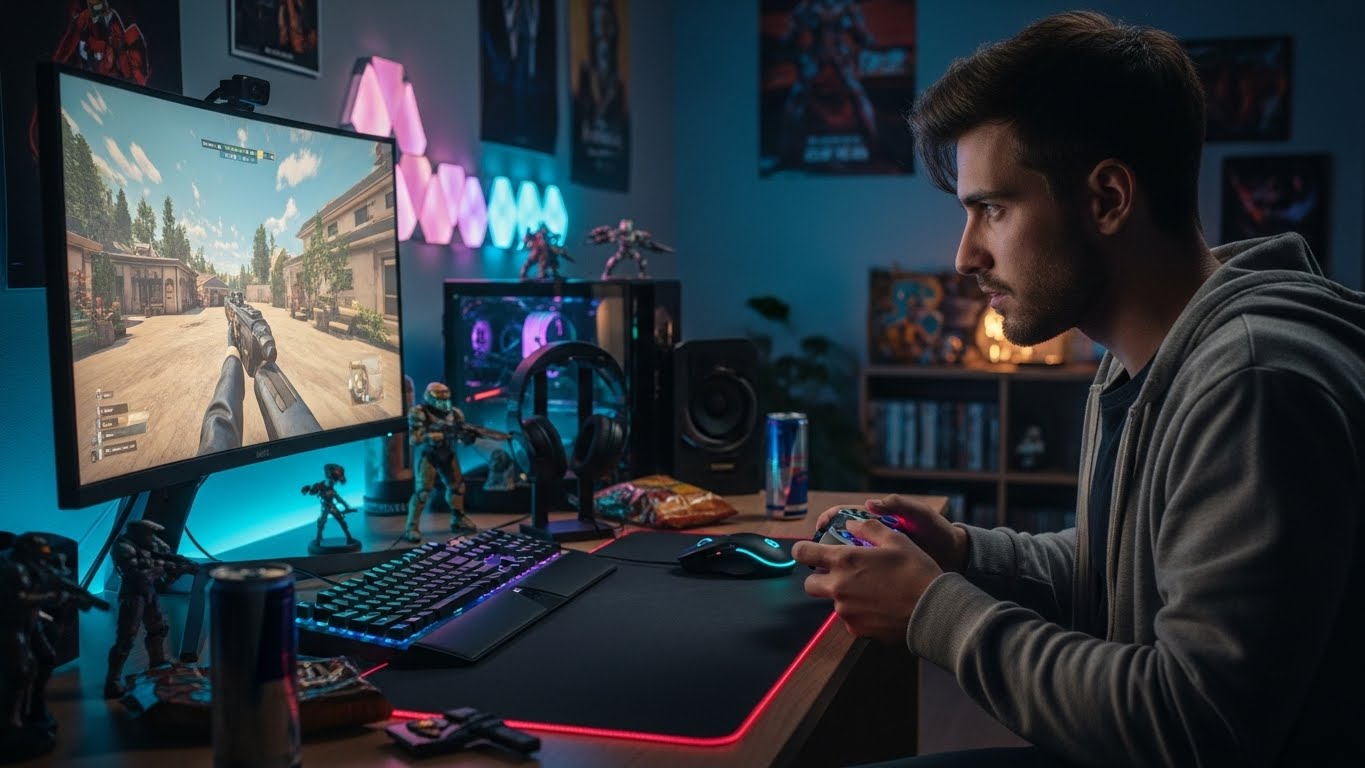
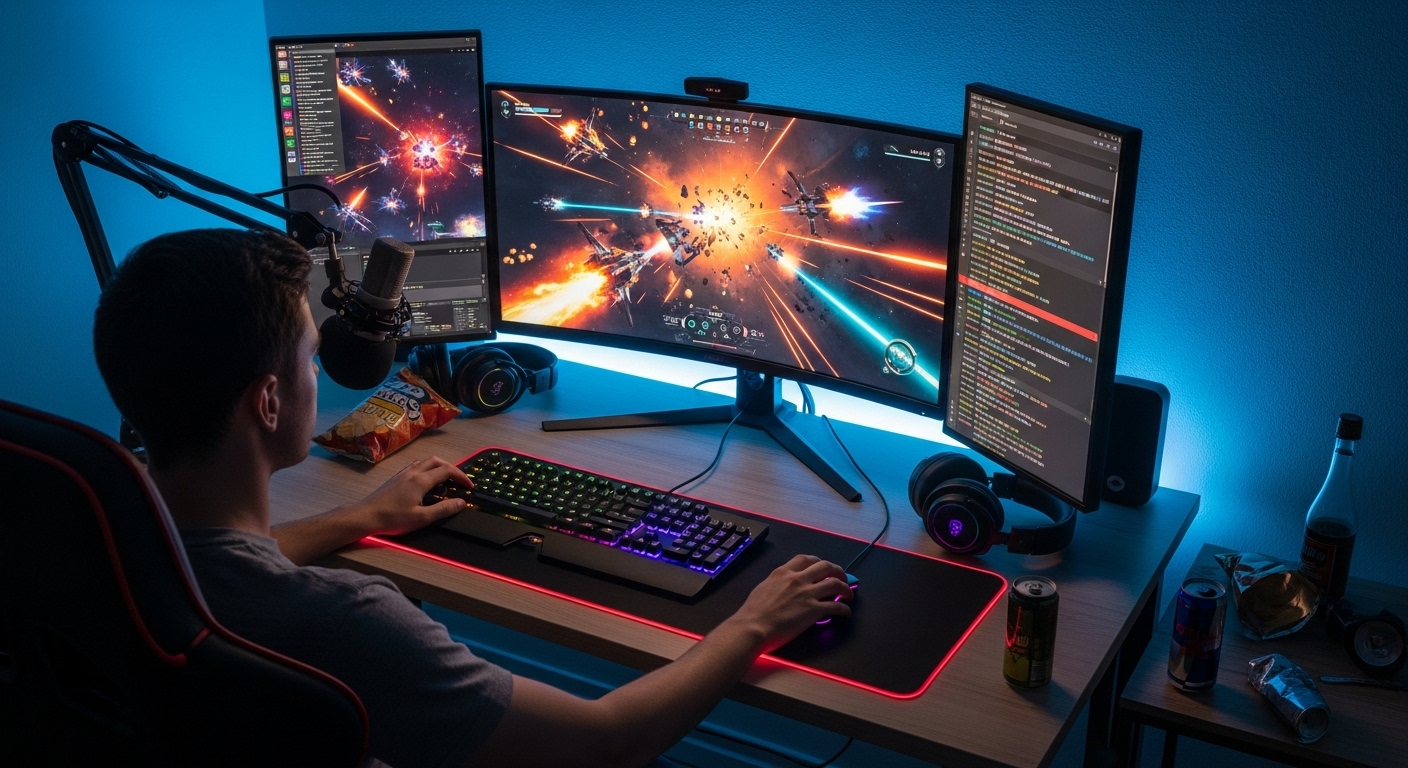
Gaming has become one of the most dynamic and influential forms of entertainment in the modern world. What once began as a simple pastime has evolved into a global phenomenon that blends creativity, technology, and human connection. From thrilling action-packed adventures to immersive story-driven experiences, gaming today is more than just play—it’s a culture that shapes how people interact, learn, and express themselves.
The Evolution of Gaming
The journey of gaming began decades ago with simple arcade machines and pixelated graphics. Over time, the industry has grown tremendously, transforming into a digital powerhouse that rivals movies and music in popularity. With the rise of powerful consoles, high-performance computers, and mobile gaming, players now have endless options at their fingertips. Games today are rich in detail, offering lifelike graphics, engaging narratives, and emotional depth that captivate audiences around the globe.
The Power of Storytelling in Games
Modern games are not just about scoring points or defeating opponents—they are about storytelling. Many games take players on emotional journeys where they can make choices, shape outcomes, and connect deeply with characters. Story-driven games create a unique blend of narrative and interactivity, allowing players to experience worlds that feel alive and personal. Through these stories, gaming has become a medium for art, emotion, and imagination.
Gaming as a Social Experience
Gone are the days when gaming was a solitary activity. Online multiplayer platforms have turned gaming into a global social experience. Players can now collaborate, compete, and communicate with others from different countries and cultures. This has built diverse online communities where friendships are formed and teamwork thrives. Gaming has also provided a sense of belonging for many, connecting people who share the same passion across vast distances.
The Rise of Esports and Professional Gaming
Esports, or competitive gaming, has transformed the gaming world into a serious professional industry. Tournaments draw millions of viewers and offer huge prize pools, making gaming a viable career for skilled players. Professional gamers, commentators, and content creators have become household names, inspiring new generations to pursue gaming not just for fun, but as a profession. Esports events highlight teamwork, discipline, and strategic thinking—qualities that mirror traditional sports in many ways.
Educational and Cognitive Benefits of Gaming
While gaming is often associated with entertainment, it also promotes learning and mental development. Many games enhance problem-solving, decision-making, and memory retention. Strategy and simulation games encourage analytical thinking, while puzzle and adventure games boost creativity and adaptability. Educational games are being used in schools to make learning engaging, proving that gaming can be both fun and intellectually stimulating.
Technology and Innovation in Gaming
The gaming industry thrives on innovation. Advancements in virtual reality, augmented reality, and artificial intelligence have revolutionized how games are created and experienced. Players can now step into fully immersive virtual worlds, interact with lifelike characters, and experience stories as if they are part of them. Cloud gaming has also made it easier for players to access high-quality games without expensive hardware, making gaming more inclusive than ever before.
The Positive Impact of Gaming on Mental Well-Being
Gaming offers more than entertainment—it provides emotional and psychological benefits. It serves as a stress reliever, offering an escape from daily challenges. Many players find comfort in gaming communities, where they can share experiences and build supportive relationships. Story-rich games also encourage empathy and emotional awareness by allowing players to see the world from different perspectives. When enjoyed in moderation, gaming can contribute positively to mental health and personal growth.
The Future of Gaming
As technology continues to evolve, the future of gaming looks incredibly promising. Developers are exploring new frontiers like artificial intelligence, virtual reality, and metaverse experiences that will make games more interactive and immersive than ever. Gaming will continue to influence other industries—from education and healthcare to entertainment and social media. The boundaries between the virtual and real worlds will keep blending, giving rise to an even more connected and imaginative generation of gamers.
Conclusion
Gaming has transformed from a niche hobby into a global cultural force that unites creativity, technology, and human emotion. It entertains, educates, and inspires, offering limitless possibilities for players and creators alike. As the world continues to change, gaming will remain a powerful medium that connects people and fuels imagination. In this new era of digital adventure, gaming is not just a pastime—it is a revolution shaping the future of entertainment and human connection.